-
Day One: Tuesday, 15 Sep, 20268:00am - 9:00amRegistration Begins For Pharma & Biotech Patent Litigation9:00am - 9:10amChair’s Introduction to Pharma & Biotech Patent Litigation
Litigation Leadership: Pharma & Biotech Patent Litigation Strategy in 2026
This session brings together senior in-house patent litigators involved in some of the most influential recent pharma and biotech cases, to examine how life sciences litigation strategy is shifting and what in-house teams should be preparing for next.
- Review key cases and court decisions from the past year, and what they reveal about where pharma and biotech patent litigation is evolving.
- How PTAB procedural developments are changing risk assessment, sequencing, and settlement strategy.
- Review venue selection within the US and consider when long-arm litigation can create leverage.
Speaker(s):
Jason Murata
VP, IPAlvotech
Petra Scamborova
Assistant General CounselRegeneron
Rob Rodrigues
PartnerRNA Law
Eric Dittmann
Partner and Co-Chair, IP PracticePaul Hastings
Niels Hölder
PartnerCarpmaels & RansfordTime:09:05am - 10:00amAgenda Track No.:Track 3Session Type:PanelForce Inline Description:0Skinny Labels and Induced Infringement: Drawing the Line After GSK V. Teva and Amarin V. Hikma
Recent court decisions in Skinny Label cases show that liability increasingly focuses on post-launch conduct and real-world use, not label text alone. A panel of leading in-house counsel and litigators with innovative, biosimilar, and regulatory perspectives will address shifting litigation strategy.
- How branded and biosimilar companies should align legal, regulatory, and commercial behaviour.
- Analyse GSK v. Teva (Coreg) and the evidentiary role of marketing materials, sales conduct, and physician messaging.
- Discuss the original ruling in Amarin Pharma v. Hikma (Fed. Cir. 2024) , and examine the significance of Supreme Court review.
- Clarify evolving boundaries of permissible conduct for medical affairs, market access, and commercial teams.
- Compare with decisions made in other key jurisdictions including Canada and Europe.
Speaker(s):
Viviane Kunisawa
PartnerDaniel Law
Brian Gildea
Senior IP CounselStealth BioTherapeutics
Ivan Poullaos
PartnerWinston Taylor
Jim Harrington
Chief Intellectual Property CounselVera TherapeuticsTime:10:00am - 10:45amAgenda Track No.:Track 3Session Type:TrackForce Inline Description:010:45am - 11:15amNetworking BreakPharma & Biotech Patent Judges Review: Federal Circuit, District Court and European Judges
Gain firsthand insight into how judges from the PTAB and federal courts in key jurisdictions are approaching pharmaceutical and biotech patent disputes. This session offers a rare opportunity to hear directly from the decision-makers on litigation strategy, evidentiary expectations, and what most influences outcomes in complex patent cases.
Speaker(s):
Klaus Grabinski
Honorable Judge & President of the Court of AppealsUnified Patent Court (UPC)
Roy Payne
Honorable Judge, Magistrate JudgeUS District Court for the Eastern District of Texas
Kent Jordan
Former Honorable JudgeUS District Court for the District of Delaware & U.S. Court of Appeals for the Third CircuitKent A. Jordan is a Director in the Wilmington, Delaware law firm of Richards, Layton & Finger. Previously, since 2006, he served as a United States Circuit Judge for the Third Circuit. Before that, he was a United States District Judge for the District of Delaware from 2002 to 2006. Judge Jordan received a B.A. in Economics in 1981 from Brigham Young University and a J.D. in 1984 from Georgetown University. He was an Assistant United States Attorney and head of the Civil Division in the U.S. Attorney’s Office for the District of Delaware. Later, he served as an officer and as a member of the boards of directors of privately held businesses and was a partner in a law firm. He is an Adjunct Professor of Law at the University of Pennsylvania and Vanderbilt University and has served as President of the Board of Trustees of the American Inns of Court Foundation, as well as on the boards of other non-profit organizations.
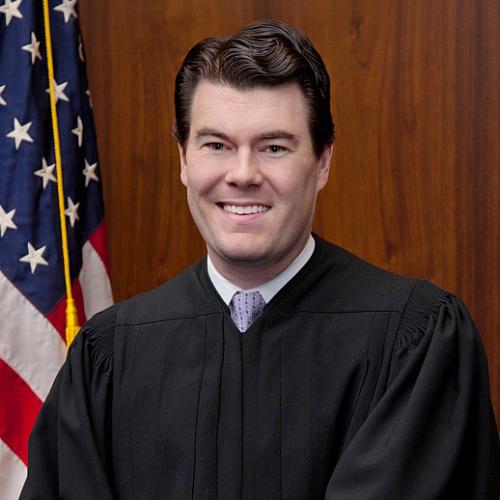
Christopher J. Burke
Magistrate JudgeU.S. District Court for the District of Delaware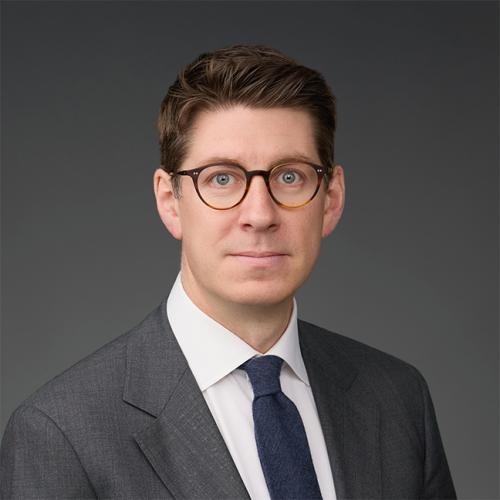
Brian P. Murray
PartnerNeal Gerber EisenbergBrian counsels clients across the biotechnology, pharmaceutical, chemical, and engineering industries on complex intellectual property and technology disputes. He represents companies in high-stakes patent litigation involving biotechnology and biosynthesis, pharmaceuticals, plastics, telecommunications, and LED technologies, helping clients align legal strategies with scientific, regulatory, and business objectives.
Drawing on his background in pharmaceutical research and development, Brian represents clients in Hatch-Waxman litigation and has helped guide multiple matters through trial. He also advises those pharmaceutical clients on pre-suit strategy, product selection, portfolio management, formulation development, labeling considerations, and regulatory matters.
A significant portion of Brian’s practice focuses on biotechnology innovators, particularly those developing bioengineering and fermentation technologies. He has extensive experience litigating patents related to metabolic engineering and microbial strain development and is skilled at translating highly technical concepts into clear, compelling litigation and counseling strategies.
Before attending law school, Brian worked as a formulation development scientist at Caraco Pharmaceutical Laboratories and gained experience in pharmaceutical synthesis at Fabbrica Italiana Sintetici S.p.A., providing him with a practical understanding of the industries he serves.
Time:11:15am – 12:00pmAgenda Track No.:Track 3Session Type:TrackForce Inline Description:0Interactive Presentation: A Data Led Review of Settlement Strategy and Outcomes in Pharma Patent Disputes
This presentation uses litigation and settlement data to examine how patent type, timing, and strategy influence settlement outcomes, retained exclusivity, and overall leverage across pharma patent litigation.
Speaker(s):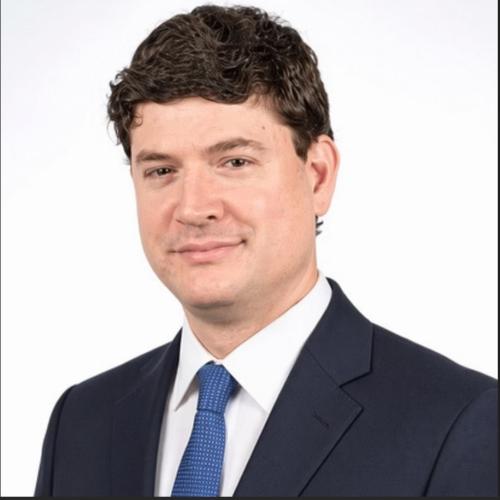
Charles Haisch
Executive VP Legal & Regulatory AnalysisIPD Analytics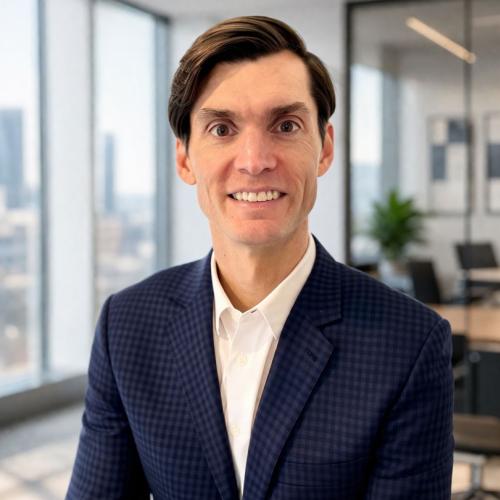
Scott Allen
VP Legal & Regulatory AnalysisIPD AnalyticsTime:12:00pm – 12:20pmAgenda Track No.:Track 3Session Type:TrackForce Inline Description:0Strategic Review: End-To-End Hatch-Waxman Litigation
Hatch-Waxman case outcomes are often decided by early choices that shape risk, cost, and leverage long before trial. This session offers a structured review of how companies are building and defending Hatch-Waxman cases, from the first Paragraph IV notice through to final judgement.
- Identify strategic decision points from Paragraph IV notice to trial, and where early decisions most influence outcomes.
- Review recent key Hatch-Waxman cases and examine how their outcomes have influenced litigation strategy.
- Managing evidence, discovery scope, and expert strategy.
- Compare US Hatch-Waxman litigation strategy to parallel approaches in Canada and other key jurisdictions, including differences in timing, remedies and leverage.
Speaker(s):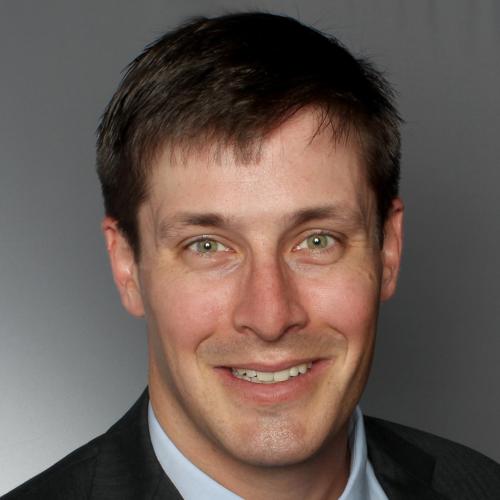
Kevin Yurkerwich
Senior IP Counsel, IP Lead RLTNovartis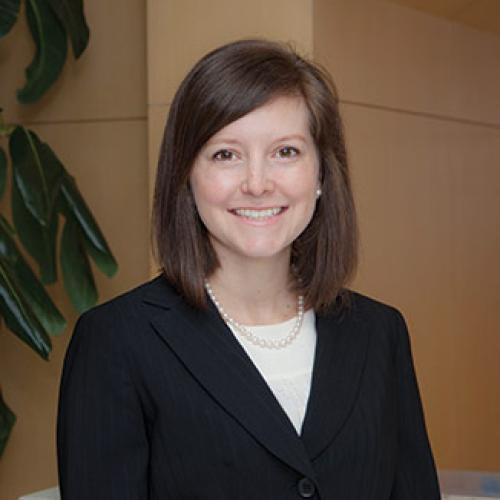
Laura Chubb
Director – Global IP LitigationOrganon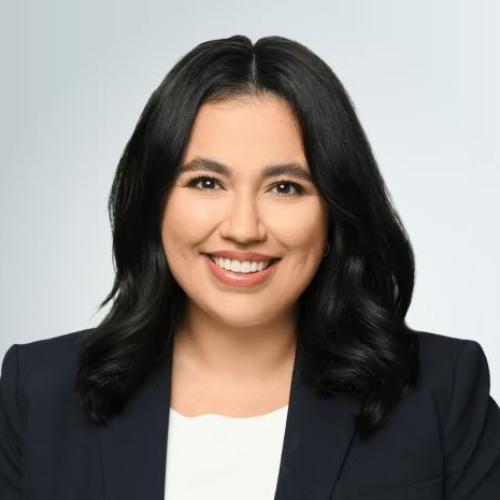
Megan Chacon
PrincipalFish & Richardson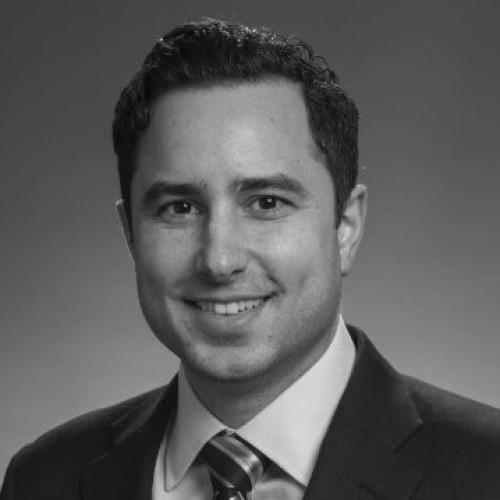
John Kirkland
Executive Director, Intellectual Property and Litigation CounselAlkermes
Hon. Mitchell S. Goldberg
Former Chief JudgeUnited States District Court, Eastern District of PennsylvaniaTime:12:20pm – 13:05pmAgenda Track No.:Track 3Session Type:TrackForce Inline Description:013:05pm - 14:05pmNetworking LunchThe PTAB Today: How Policy Shifts are Reshaping Invalidity Strategy
Under Director Squires’ leadership, the PTAB has seen reduced reliance on discretionary denials and a recalibrated role for inter partes review. This session brings together former PTAB faculty and experienced PTAB litigators to examine how institution standards are being applied in practice, why certain challenges are proving less viable than before, and when alternatives such as ex parte re-examination may offer a more effective path.
- Why challengers are re-assessing IPR risk and turning to ex parte re-examination, including trade-offs around timing, estoppel, and examiner workload.
- How patent owners are using PTAB uncertainty to influence parallel litigation and settlement leverage.
- Practical guidance on selecting and sequencing invalidity tools in the current PTAB environment
- Consider venues in alternative jurisdictions such as the EPO and UPC.
Speaker(s):
Deborah Sterling
DirectorSterne Kessler
Ryan Daniel
Associate General CounselFresenius Kabi
Victoria Reines
Principal CounselSanofi
Scott E. Kamholz
Former Administrative Patent JudgeUSPTOTime:14:05pm - 14:55pmAgenda Track No.:Track 3Session Type:TrackForce Inline Description:0Dual Dialogue: Preparing for 505(b)(2) Filings - Defending Against “Similar but Different” Entrants
The rise of the 505(b)(2) pathway is changing how branded pharmaceutical and biotech companies approach lifecycle management and litigation. Unlike ANDA generics, 505(b)(2) applicants can enter earlier with differentiated products while relying on branded data, creating a hybrid competitive threat that often falls outside traditional Orange Book assumptions. Join this workshop to hear a discussion around defence strategies from a panel of experts from the generic and innovator industries.
- How in-house teams can identify and defend against 505(b)(2) challenges.
- Distinguish ANDA generics from 505(b)(2) applicants and the implications for defence strategy.
- Identify early warning signs through development activity, regulatory engagement, and competitor monitoring.
- Analyse how formulation, dosing, and delivery changes are used to avoid listed patents.
Speaker(s):
Chris Slavinsky
Chief Legal OfficerInnovo Research
Christina Brown-Marshall
PrincipalFish & RichardsonTime:14:55pm – 15:15pmAgenda Track No.:Track 3Session Type:TrackForce Inline Description:0Venue Strategy in Life Sciences: ITC, UPC, Brazil & Multi-Forum Enforcement
As life sciences patent disputes increasingly span multiple jurisdictions and rely on a wider range of venues beyond the traditional US forums, litigation in the ITC, UPC and Brazil are becoming increasingly viable options. This session compares the benefits of these jurisdictions and sequencing forums to maximise leverage, manage risk, and protect market access across the ITC, UPC and Brazil.
- Deciding between the ITC, UPC, and Brazil based on speed, remedies, and procedural posture.
- When ITC Section 337 actions provide strategic advantage alongside or instead of Hatch-Waxman or BPCIA litigation.
- How the UPC and Brazilian courts offer injunction pressure unavailable in US proceedings.
- How venue choice affects discovery scope, timing, and settlement leverage in pharma and biologics patent disputes.
- Coordinating US, European, and Brazilian actions to manage estoppel, delay, and strategic enforcement.
Speaker(s):
Eduardo Hallak
Founding PartnerLicks AttorneysEduardo Hallak is one of the founding partners at Licks Attorneys and one of our leaders at the Sao Paulo office. For more than a decade, he has been working as a litigator before state and federal courts in Brazil in several complex disputes and leading cases involving Patent law, competition, and regulatory compliance, most of them pursuing the interests of clients in the area of life sciences. He also has extensive practice in trademark litigation as well as technology transfer contracts, working together with multinational clients to establish strong brand protection and licensing programs in the country. Mr. Hallak also currently teaches IP litigation in the Post-Graduation course at the prestigious Pontifical Catholic University of Rio de Janeiro (PUCRJ), has taught Civil Procedure at the at the Brazilian Association of IP Agents (ABAPI), and is often invited to lecture on procedural and strategic aspects of IP litigation, in addition to being a member of the Special Commission on Mediation of the Rio de Janeiro Chapter of the Brazilian Bar Association (OABRJ) and the Enforcement Committee of INTA.
Molly Grammel
PartnerGoodwin Procter LLP
James Zhu
PartnerJunHe LLP
Chris Sharp
PartnerPinsent Masons
Kristin Cooklin
Vice President Intellectual PropertyRecordatiTime:15:15pm - 16:00pmAgenda Track No.:Track 3Session Type:TrackForce Inline Description:016:00pm – 16:30pmNetworking break16:30pm – 18:15pmRoundtablesHow is AI driving behaviours in the life science sector and how is this impacting patenting and patent litigation strategies
Explore how AI is reshaping drug development and patent strategy. AI modelling and structural analysis, particularly of proteins, can accelerate R&D and identify novel small and large molecules suitable for therapy. Equally, machine learning can chart paths around complex patents and thickets to design alternative molecules, with significant repercussions for patentees, biosimilar and generic manufacturers, and regulatory pathways. This roundtable examines past examples, then AI's role in litigation: running wide-ranging validity searches beyond what was previously possible, and supporting infringement arguments, including under the doctrine of equivalents.
Speaker(s):
Mike Gilbert
PartnerMarks & ClerkMike Gilbert is a partner at Marks & Clerk in London. He is an Intellectual Property (IP) lawyer who advises clients in a wide variety of business sectors on issues including litigation and dispute resolution, IP strategy and risk limitation, due diligence projects and commercial and licensing transactions involving IP. His primary focus and expertise, however, lies in life sciences patent litigation where he is considered to be one of the UK’s leading practitioners. He has represented some of the world’s leading biopharmaceutical corporations in complex patent and technical disputes including Genentech, Roche, Chugai, Pfizer, Wyeth, AstraZeneca, MedImmune, Daiichi Sankyo, AbbVie, Amgen and Illumina to name but a few. Mike is well known for his strategic and creative vision and is consistently recommended in various legal directories including the World IP Review, Legal 500, Who's Who Legal and the IAM Patent 1000 guide, which describe him as “always at the top of the pile, especially for pharmaceutical matters”. Mike graduated from Cambridge University in 1989 with a degree in chemical engineering.

Dan McGrath
PartnerMarks & ClerkDan is an experienced patent litigator who advises clients on a wide range of intellectual property issues. He has considerable experience in biopharmaceutical patent and supplementary protection certificate litigation and has represented clients in some of the most complex technical disputes tried in the English courts. Dan also has significant expertise in litigation before the Unified Patent Court and is currently instructed on several high-profile patent disputes. Dan sits on the BioIndustry Association's IP Advisory Committee and its SPC sub-committee.
In the UK, Dan has advised clients in actions in the High Court and Court of Appeal. Dan regularly manages multi-jurisdictional disputes, co-ordinating and working with litigation teams globally. He has been involved in hearings at the Unified Patent Court, European Patent Office, District Court in The Hague and in North America.
With a keen interest in scientific innovation, Dan is readily able to master highly technical issues and has a strong grasp of the technical and commercial landscape in which his clients operate
Agenda Track No.:Track 3Session Type:WorkshopForce Inline Description:0Predicting Market Entry: How Legal Strategy Shapes Commercial Timing
How do companies forecast when competitors will enter the market and what role does external counsel play in shaping that view? This session explores how brand and biosimilar teams, alongside their advisors, assess patent strength, injunction likelihood, settlement dynamics and litigation risk to inform launch timing and competitive positioning.
Speaker(s):
Martina Hufnal
PrincipalFish & RichardsonAgenda Track No.:Track 3Session Type:General Session (Presentation)Force Inline Description:0Second-Wave Entrants: Litigation Strategy After the First Generic or Biosimilar Launch
How enforcement, settlement posture, and leverage change once the first generic or biosimilar has already entered the market.
Speaker(s):
Christian Hartmann
Senior Director, IP SolutionsRWSAgenda Track No.:Track 3Session Type:Break / NetworkingForce Inline Description:0Comparison of US V Canadian Methods of Medical Treatment and Dosage Case Law: Reviewing the Janssen V. Pharmascience Decision
How the Canadian and American court system deals with medical treatment and dosage cases, including Janssen Inc. v. Pharmascience Inc. (Supreme Court of Canada).
Agenda Track No.:Track 3Session Type:Break / NetworkingForce Inline Description:0Discovery, Disclosure, and Privilege in Global Patent Litigation
Discuss best practices for anticipating and navigating discovery, disclosure, and privilege issues that frequently arise for in-house and external counsel in multi-jurisdictional patent litigation. Specific topics will include combining litigation in discovery and non-discovery jurisdictions, US discovery for use in foreign proceedings, confidentiality agreements and orders, and experimental testing and expert witnesses.
Speaker(s):
Paul Jorgensen
PartnerNorton Rose Fulbright
Jon Davies
PartnerNorton Rose FulbrightAgenda Track No.:Track 3Session Type:WorkshopForce Inline Description:0Your AI Chat Logs Are Discoverable: Emerging Risks in Patent Litigation
Speaker(s):
Tim Cook
PartnerWilmerHale
Andrew Danford
PartnerWilmerHaleAgenda Track No.:Track 3Session Type:General Session (Presentation)Force Inline Description:0Formulation, Delivery, and Route-of-Administration Patents
Examine how branded and biosimilar companies build, litigate, and defend formulation and delivery patents as core composition claims expire and these assets become the last line of exclusivity.
Speaker(s):
Lachlan Campbell-Verduyn
PartnerPatterson Belknap
Andrew Cohen
PartnerPatterson BelknapAgenda Track No.:Track 3Session Type:Break / NetworkingForce Inline Description:0The UK, the UPC, and the EPO: Building a Coordinated European Litigation Strategy
Discuss the strategic deployment of European litigation venues for US pharma companies, including the UK High Court litigation, UPC proceedings and EPO oppositions, and compare the impacts on injunction risk, cost exposure, and global settlement dynamics.
Speaker(s):
Oliver Laing
PartnerPotter Clarkson
Mark Didmon
PartnerPotter ClarksonAgenda Track No.:Track 3Session Type:Break / NetworkingForce Inline Description:0Next Generation Drugs: Strategies for Protecting Gene Therapies and Antibody-Drug Conjugates
Speaker(s):
Anita Varma
Partner, IP PracticeWhite & Case
Nicholas Mitrokostas
Partner & Global CoHead, Life SciencesWhite & CaseAgenda Track No.:Track 3Session Type:WorkshopForce Inline Description:0Your Next Rodeo: Strategic Preparation for Life-Science Patent Litigation
Discuss how life sciences companies prepare for future patent disputes by refining early-stage litigation strategy, anticipating procedural risk, and strengthening internal readiness to improve outcomes.
Speaker(s):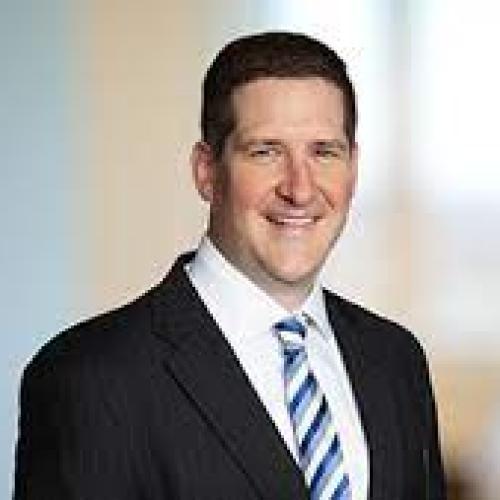
John Cox
PartnerBarnes & ThornburgWith deep knowledge of issues facing the life sciences industry, John Cox counsels clients regarding their worldwide intellectual property rights and represents their patent interests when litigation arises, particularly regarding pharmaceutical, chemical, and biotechnology matters. John takes his role in protecting these important assets of life science innovators very seriously while approaching each matter with enthusiasm.
Through his ability to communicate effectively and succinctly, John advises on, develops, and carries out global IP strategies for the benefit of innovative companies, his clients, who are focused on developing core assets that save and improve the lives of patients. John enjoys leveraging his unique ability to put together targeted and enduring teams for each matter – paying close attention to each person’s strengths and skillsets and how they fit with one another, alongside his highly specialized experience and thoughtful and responsive nature.
John is intimately familiar with the pharmaceutical industry, having dealt with patent and IP subject matter ranging from brain chemistry, the gastrointestinal system, drug delivery systems and treatments of rare diseases and cancer to medical diagnostic methods, the generation of biofuel using bacteria, and processes for manufacturing chemicals and pharmaceutical products. He also has almost two decades of experience in Abbreviated New Drug Application (ANDA) cases, including pre-litigation investigations.John offers guidance from the first step of a matter through to resolution, including all aspects of litigation. He has extensive experience related to discovery and motion practice, as well as in developing offensive and defensive strategies. He is well versed in dealing with complex subject matter and technical witnesses, such as inventors and experts.
John adeptly helps clients navigate the crossroads of foreign business practices and the complexities of U.S. patent practice, having worked with foreign pharmaceutical, chemical, and biotechnology companies throughout his career.
Lauren Baker
PartnerBarnes & ThornburgAgenda Track No.:Track 3Session Type:Break / NetworkingForce Inline Description:018:15pm - 18:20pmChair’s Closing Remarks18:20pm - 19:30pmNetworking drinks -
Day Two: Wednesday, 16 Sep, 20268:00am – 8:45am
Cross-Sector Presentation: Doctrine of Equivalents Review
Recent Federal Circuit decisions are applying tighter limits to doctrine-of-equivalents arguments in life sciences and technology cases. This presentation explores where equivalence claims still succeed and how litigants are adjusting enforcement and design-around strategies accordingly.
Speaker(s):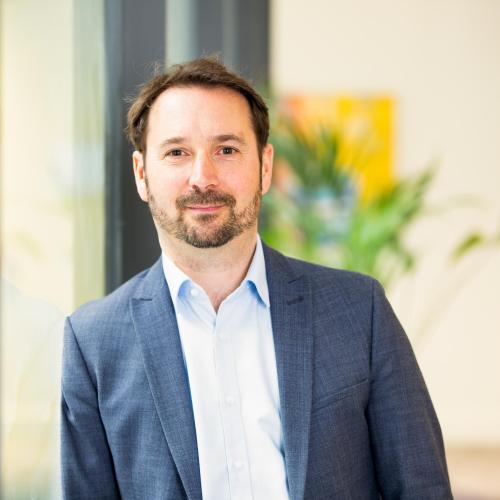
Robin Ellis
PartnerReddie & GroseRobin is a partner at Reddie & Grose, a full-service IP firm with offices in London, Munich and Cambridge.
Robin's practice focuses on multi-jurisdictional European litigation in the life science space. He regularly represents clients in opposition and appeal proceedings before the European Patent Office and has more recently advised clients on the fledgling SPC manufacturing waiver regulation.
Robin's 25 years in the profession has been split between roles in-house and private practice, which has given him a unique perspective on how to manage the multitude of IP issues now facing a pan-European product launch, including the introduction of the unified patent court.
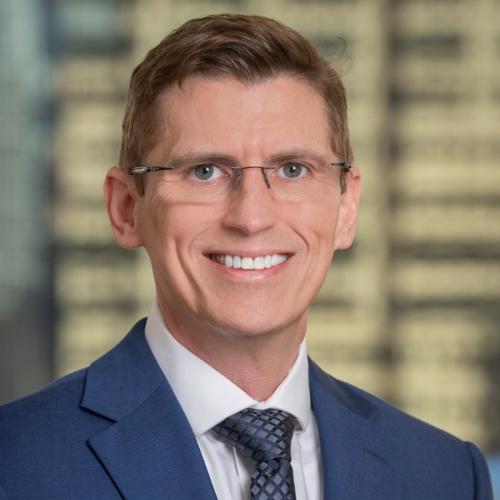
Jeremy Lowe
PartnerSpencer Fane LLPSession Type:PanelForce Inline Description:0Medtech Morning Invite-Only Medtech Leadership Breakfast
Sitting at the intersection of technology and healthcare, MedTech faces a distinct set of IP litigation challenges. This MedTech Leadership Breakfast brings senior IP MedTech leaders together to discuss the litigation risks specific to the sector and to benchmark strategy and best practices with peers.
Speaker(s):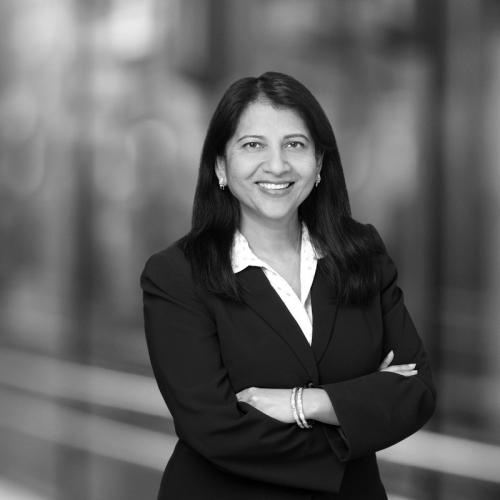
Sapna Palla
PartnerWhite & CaseSession Type:PanelForce Inline Description:09:00am – 9:10amChair recaps day one and introduces day twoEarly Stage Patent Litigation Strategy: The First 90 Days
This interactive session walks attendees through the critical early-stage decisions that shape pharmaceutical and biotech patent litigation long before trial or settlement discussions begin. Using realistic case studies, panellists will react in real time to litigation and business pressures, allowing the audience to benchmark their own instincts against experienced in-house and outside counsel perspectives.
- How companies decide where to litigate first (district court, PTAB, ITC, or parallel paths).
- Early forum strategy trade-offs, including cost, speed, and leverage.
- What evidence must be preserved immediately - and what is often missed.
- How early litigation decisions affect settlement leverage, investor messaging, and payer dynamics.
Speaker(s):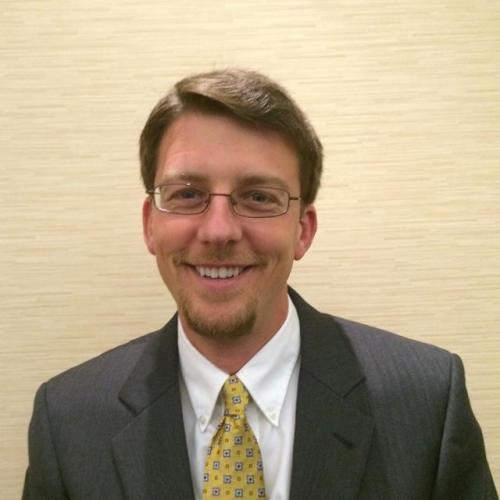
David Schramm
Head of US IP LitigationBayer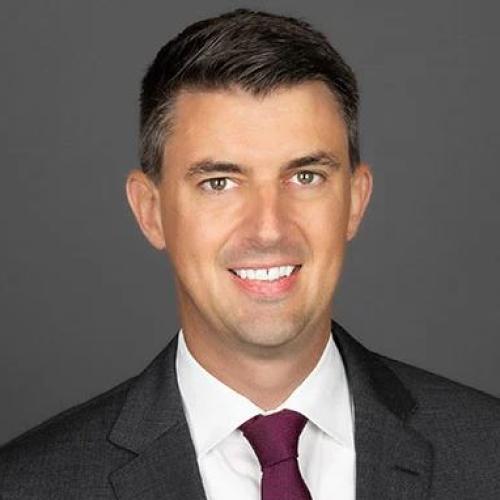
Mark McLennan
PartnerKirkland & Ellis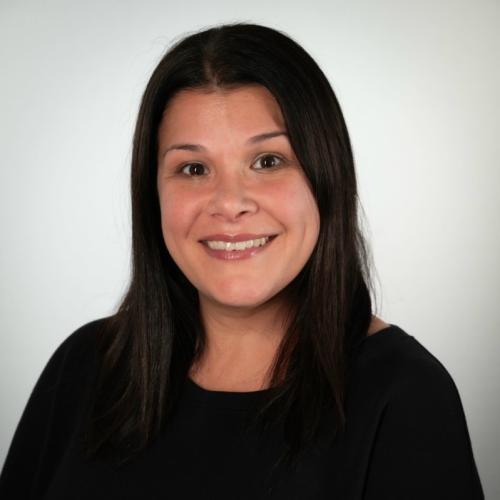
Stephanie Lollo Donahue
Head of Global Patent LitigationSanofi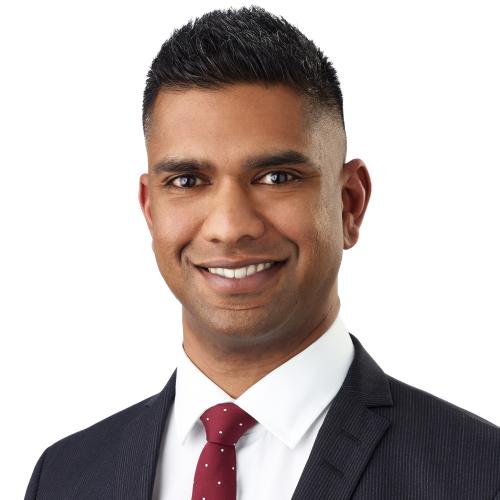
Sanjaya Mendis
PartnerMcCarthy Tétrault LLPSanjaya Mendis is a partner and life sciences IP litigator at McCarthy Tétrault LLP based in Toronto, Canada. The IP Litigation group is ranked Band 1 in Chambers and recently received the Patent Litigation Firm of the Year by LMG Life Sciences. Sanjaya handles complex cross-border contentious patent disputes and has represented clients in all levels of Canadian courts, including the Supreme Court. Sanjaya’s recent notable experience includes: Regeneron/Bayer (aflibercept); AbbVie (adalimumab); Merck (sitagliptin); and BMS/Pfizer (apixaban).
Marc Lauzeral
PartnerSchertenleib AvocatsTime:9:05am – 09:55amAgenda Track No.:Track 3Session Type:TrackForce Inline Description:0Damages in Pharma & Biotech Litigation: What Courts are Accepting Now
Courts are applying heightened scrutiny to damages theories in pharmaceutical and biotech patent disputes, requiring closer alignment with regulatory realities, real-world market behaviour, and contemporaneous internal documents. This session explores how in-house teams and litigators are adjusting damages strategy in light of changing acceptance around lost-profits and reasonable-royalty analysis.
- How to prove but-for causation where launch timing, labelling, or market access is uncertain (Amarin v. Hikma, 2024; Jazz v. Avadel, 2023-2024).
- When to rely on internal forecasts and marketing records to test expert damages opinions (GSK v. Teva, 2021; Acorda v. Roxane, 2019).
- Using damages analysis to guide settlement strategy and risk communication.
Speaker(s):
Damon Gupta
Senior Patent CounselGenentechDamon Gupta is a Director, Patent Counsel at Spark Therapeutics, Inc., a leader in gene therapy and member of the Roche Group. With over a decade of experience in intellectual property (IP) law and a background in molecular biology, Damon advises biotechnology and pharmaceutical companies on patent strategy, IP transactions, and risk mitigation. At Spark, Damon leads efforts to protect proprietary assets, including trade secrets, manage IP disputes, and provides IP support to cross-functional teams, including R&D, manufacturing, and corporate transactions. Damon holds a J.D. from Chicago-Kent College of Law, an M.S. from Baylor College of Medicine, and a B.S. from The Ohio State University.
Dr Gregory Bell
Group Vice President & Life Sciences Practice LeaderCharles River AssociatesKristin Cooklin
Vice President Intellectual PropertyRecordatiIvan Poullaos
PartnerWinston TaylorTime:09:55am - 10:40amAgenda Track No.:Track 3Session Type:TrackForce Inline Description:010:45am – 11:15amNetworking BreakLitigation Challenges in the Medtech Sector: Regulatory Entanglement, NPEs & Competitor Suits
This session provides a practical discussion on patent litigation trends and challenges in the MedTech sector, including NPE risk, competitor suits, and the litigation constraints created by regulatory frameworks. As devices increasingly integrate software, connectivity and AI, regulatory submissions, clinical data, and product approvals are becoming central to discovery, infringement theories, and evidentiary strategy in patent disputes. In this session, we will explore how these dynamics are shaping MedTech litigation strategy and what in-house counsel can do to prepare.
- Why NPEs are increasingly targeting MedTech companies, particularly
- Where devices incorporate software, connectivity, and third-party technologies.
- How regulatory evidence shapes litigation strategy, including the role of FDA submissions, clinical trial data, and regulatory timelines.
- The litigation challenges created by AI-enabled and software-driven devices, particularly around technical evidence, product functionality, and compliance with regulatory frameworks.
Speaker(s):
Denise Lane
Senior VP & Global IPOlympus
Gael Tisack
Chief IP CounselAbbott
Reed Willis
Litigation DirectorAlign TechnologySapna Palla
PartnerWhite & Case
Bita Mortazavi
VP of Patent Analysis and MedTech StrategyRPX CorporationTime:09:05am - 09:55amAgenda Track No.:Track 2Session Type:TrackForce Inline Description:0Biologics Patent Litigation: A Review of How Disputes are Shifting, and Strategy is Adapting
Biologics litigation is evolving beyond classic biosimilar disputes, driven by higher-value products, an uptake in branded-vs-branded disputes, and growing injunction risk. This session brings together leading litigators and in-house counsel to examine how strategy is changing.
- How biologics disputes are starting earlier and outside traditional biosimilar timelines, (e.g. Novo Nordisk v. Eli Lilly), and what this means for launch and portfolio strategy.
- Examine the rise of branded-vs-branded cases like Alnylam Pharmaceuticals, Inc. v. Moderna, Inc., and how innovator enforcement and defence strategies are adapting.
- Review recent BPCIA cases and outcomes, including Hikma/Richter v. Amgen.
- Consider parallel proceedings in Europe and other jurisdictions and examine how they’re increasingly shaping U.S. biologics litigation decisions.
Speaker(s):
Alex Gloor
PartnerGowling WLG
Nicole Clouse
VP & Head of IPGenerate Biomedicines
Stan Fisher
PartnerWilliams & ConnollyStan Fisher is a first-chair trial lawyer and counselor who focuses his practice primarily on issues that affect technology companies. Stan has tried numerous cases involving patent, FDA, and antitrust issues, as well as matters involving contracts, licensing, and business torts.
Stan has been consistently ranked as an “IP Star” by Managing Intellectual Property (2021-2024); and LMG Life Sciences Guide recognized him as a “Leading Life Science Star” since 2021. In 2022, LMG Life Sciences identified Stan among the finalists for the “General Patent Litigator of the Year (DC Metro)” award, and in 2023, he was a recognized as a finalist for “Hatch-Waxman Litigator of the Year (Branded)." IAM Patent 1000 has highlighted Stan as a “Leading Patent Litigation Attorney” in its guide since 2020. The 2020 publication noted Stan has “broad horizons as a trial lawyer and litigates with confidence and poise in diverse technical fields, across all areas of intellectual property and in regulatory, antitrust and contract disputes” and the 2022 edition emphasizes Stan’s standing as a “leading trial lawyer.” Both in September 2022 and May 2021, The American Lawyer recognized Stan as a “Litigator of the Week Runner Up” for successfully representing Merck in a major trial victory and IPR proceedings, respectively, concerning patents covering the blockbuster sitagliptin products: Januvia, Janumet, and Janumet XR.
In addition to Stan’s patent practice, he serves as Co-Chair of the firm’s Food and Drug Administration practice group. In this space, he focuses specifically on the intersection of FDA law, patent law, and antitrust law, advises on issues with the Orange Book, regulatory exclusivities, and other issues that are adjunct to pharmaceutical and biotech patent litigation. Stan’s experience litigating matters involving the FDA has been highlighted by IAM Patent 1000 with the publication describing Stan as a “top” FDA lawyer. The 2021 edition highlighted Stan's "vast biopharmaceutical experience” and explained that he “makes full use of his finely honed advocacy skills and intuitive understanding of Food and Drug Administration regulatory requirements and antitrust law." He also has an active practice litigating trade secrets, trademarks, and copyrights.
Stan serves as Professorial Lecturer in Law at The George Washington University Law School, where he teaches Chemical & Biotech Patent Law, a course Stan recently re-designed to focus on patent, regulatory, and antitrust issues arising in Hatch-Waxman, BPCIA, and other pharmaceutical and biotechnology patent matters.
Stan received his B.S. in Molecular Biophysics & Biochemistry from Yale College in 1997 and his J.D. from The George Washington University Law School in 2004, where he graduated with Highest Honors and served as Editor-in-Chief of The George Washington Law Review. He joined Williams & Connolly in March 2006 after clerking for Judge Richard Linn at the U.S. Court of Appeals for the Federal Circuit. Stan is a current member of the firm's Budget Committee and former member of the Hiring Committee. Stan is a Past President of the Giles S. Rich American Inn of Court, the Intellectual Property Inn of Court in Washington, D.C. generally affiliated with the U.S. Court of Appeals for the Federal Circuit.
Tim Harris
PartnerOsborne Clarke
Joshua Mack
Executive Director, Patent Litigation CounselHalozyme, IncTime:11:55am – 12:50pmAgenda Track No.:Track 3Session Type:TrackForce Inline Description:012:45pm – 13:45pmNetworking LunchCombination Drugs and Patent Strategy: Avoiding Gaps in Protection
Combination drug products pose unique challenges across jurisdictions when seeking approval, patent protection, patent listing, and enforcement. These risks arise as formulation, dosing, or regulatory classification diverge from single-entity assumptions. A panel of in-house counsel and experienced litigators will examine how these issues play out in practice, strategies for protecting exclusivity, and managing biosimilar or generic challenges.
- Examine recent developments in protecting combination products, such as Orange Book listing strategy, infringement theories, and lifecycle planning.
- Identify patent listing and claim scope vulnerabilities unique to combination products.
- Examine recent developments in combination drug protection including portfolio strategy and lifecycle planning.
- Evaluate the plausibility and prior art challenges of combination products in clinical trials.
- Assess enforcement options when approval pathways and infringement theories do not align.
Speaker(s):
Eva Ehlich
PartnerMaiwald
Don Huddler
Executive Director, Head of Large Molecule IPBeOne Medicines
Nicole Mastrangelo
Senior Director, IP CounselCognito Therapeutics
Reena Bajpai
Associate General CounselGilead Sciences
Josephine Young
PartnerGroombridge WuTime:13:50pm – 14:45pmAgenda Track No.:Track 3Session Type:TrackForce Inline Description:0Safe Harbor & Bolar Exemption: A Review of Case Law, Regulatory Reform, and Pre-Approval Strategy
With US courts continuing to refine the scope of § 271(e)(1) and the European Pharma Package proposing to extend and reshape Bolar exemptions across member states, this session examines the latest litigation and regulatory developments shaping how life sciences companies structure pre-approval activity on both sides of the Atlantic.
- Examine where the line is currently being drawn under § 271(e)(1), and what recent decisions including Jazz v. Avadel (Fed. Cir. May 2025) and Ascendis v. BioMarin (ITC, ongoing), tell us about the boundaries of protected pre-approval activity.
- How to structure pre-approval activity to make the most of safe harbor protection, and where its limitations continue to drive disputes.
- Discuss the European Pharma Package's proposed extension and reshaping of Bolar exemption means for originator and generic strategy, and how US companies are adapting their pre-approval strategies in response.
Speaker(s):
Aaron Clay
Director - Intellectual Property LitigationMerck
Chuck Sholtz
Head of IPVerdiva Bio
Sophie Wang
Co-Head – IP LitigationChoate Hall & Stewart LLPSophie Wang is a Partner in Litigation and is Co-Head of the IP Litigation practice. She is a first-chair trial lawyer who represents biotech, pharmaceutical, and technology companies in complex and high stakes intellectual property and commercial disputes across the country. Sophie is a go-to resource for clients in the life sciences industry, including for “bet-the-company” patent litigation (including Hatch-Waxman and biosimilar litigation), post-grant review (PGR) and inter partes review (IPR) proceedings before the United States Patent Trial and Appeal Board (PTAB), trade secrets litigation, and contract, licensing, and other commercial disputes. She also routinely advises clients on the management of their US and global patent and litigation strategies, including regularly consulting with counsel before the EPO and in the UK, Germany, and other foreign jurisdictions.
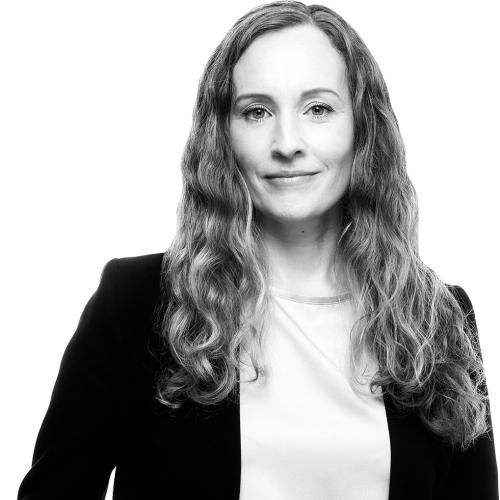
Dr. Sarah Salaschek
Attorney at Law and Patent LitigatorBonabryDr. Sarah Salaschek is attorney at law and patent litigator, working in the Hamburg office of Bonabry. She mainly advises clients in the pharmaceutical industry and represents them before German courts as well as before the Unified Patent Court. Her practice covers all questions of intellectual property law with a particular focus on pharma patents, SPCs and related regulatory issues.
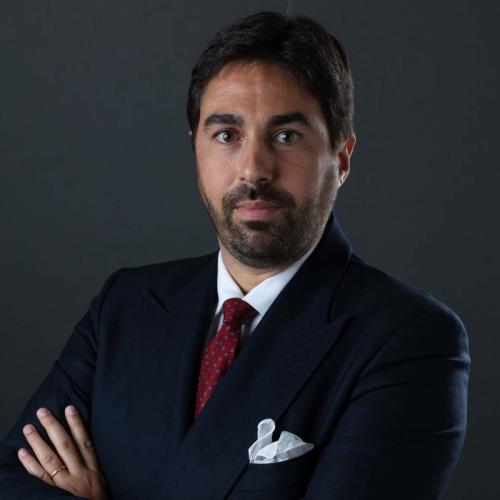
Sergio Napolitano
General Counsel & Executive DirectorMedicines for EuropeTime:14:45pm – 15:30pmAgenda Track No.:Track 3Session Type:TrackForce Inline Description:015:00pm – 15:15pmClosing Remarks from Chair
Jump to: Tuesday, 15 Sep | Wednesday, 16 Sep