-
Day 1: Monday, 14 Sep, 20268:00am - 9:00amRegistration Begins For Trade Secret Legal Protection9:00am - 9:10amChair’s Introduction to Trade Secret Legal Protection
Extraterritorial Trade Secrets: When Global Operations Create U.S. Litigation Risk
Trade secret disputes increasingly involve conduct, data, and teams outside the U.S. In-house teams are finding that trade secret theft that appears “foreign” can still trigger U.S. litigation, while non-US data, employment, and disclosure rules can significantly limit how companies investigate and respond. Recent court decisions have clarified that the DTSA can reach conduct abroad, materially increasing exposure for global organisations. This keynote session focuses on what extraterritorial trade secret risk looks like in practice and evolving strategy in light of recent developments.
Speaker(s):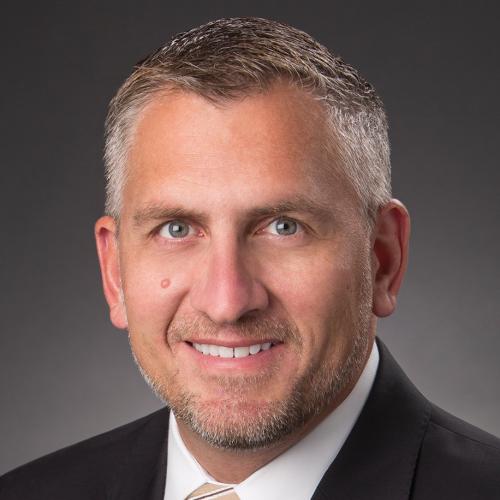
Jeff Pade
PartnerPaul Hastings LLPTime:9:10am - 9:30amAgenda Track No.:Track 1Session Type:General Session (Presentation)Force Inline Description:0Regulatory Disclosure and Trade Secrets: When Compliance Creates Leakage Risk
Regulatory and government disclosure obligations increasingly require companies to submit highly sensitive technical and commercial information that would otherwise qualify as trade secrets. Join this session to find out how in-house teams manage regulatory compliance without undermining future trade secret protection or litigation position.
- Understand where US regulatory disclosures most commonly weaken trade secret claims, including FDA filings, cybersecurity reporting, and other mandatory submissions.
- Learn how FOIA and government access risks are assessed in practice, and what courts look for when companies argue information remained confidential after disclosure.
- Identify procurement and government contracting disclosures that can compromise trade secret protection, and how to mitigate those risks upfront.
- Take away practical strategies for structuring regulatory submissions to preserve trade secret status and support reasonable-measures arguments in future disputes.
Speaker(s):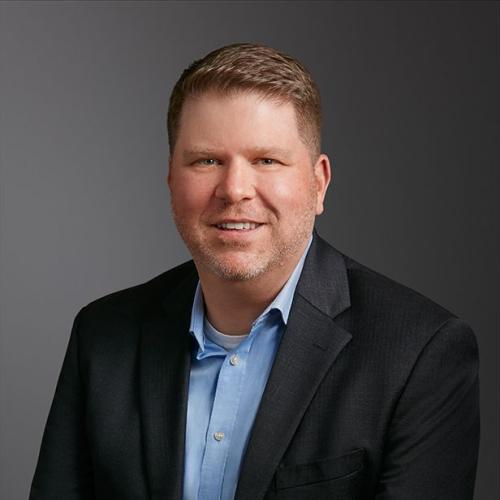
Matt Murphy
PartnerAxinn LLP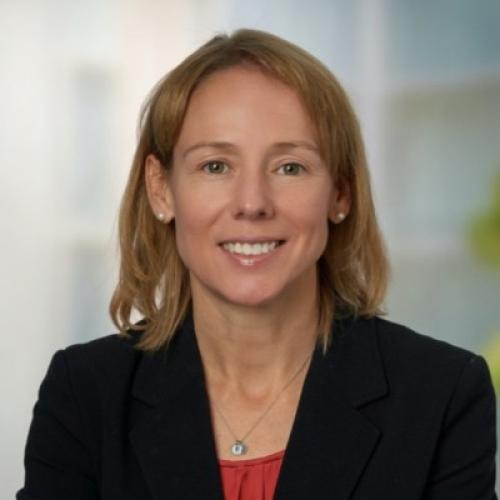
Tara Rahemba
Vice President, IPApogee TherapeuticsTime:9:30am - 10:15amAgenda Track No.:Track 1Session Type:General Session (Presentation)Force Inline Description:0Reverse Engineering and Trade Secret Misappropriation: Where Courts are Drawing the Line
Recent decisions show courts putting reverse engineering defences under the spotlight –
increasingly scrutinising how information is obtained, how AI tools are used, and whether access or contractual restrictions were breached. This session brings together a panel of in-house counsel, litigators, and technical experts to explore when reverse engineering defences are useful in practice, and what this means for enforcement and defence strategies.- When reverse engineering is treated as lawful versus when courts view it as a cover for misappropriation.
- How courts assess claims of independent development and “clean room” processes in practice.
- The growing importance of contractual restrictions, product terms, and access controls.
- Lessons from recent disputes where reverse engineering arguments failed due to evidence of prior access or employee movement.
- Practical steps companies are taking to protect against reverse engineering without over-claiming secrecy.
Speaker(s):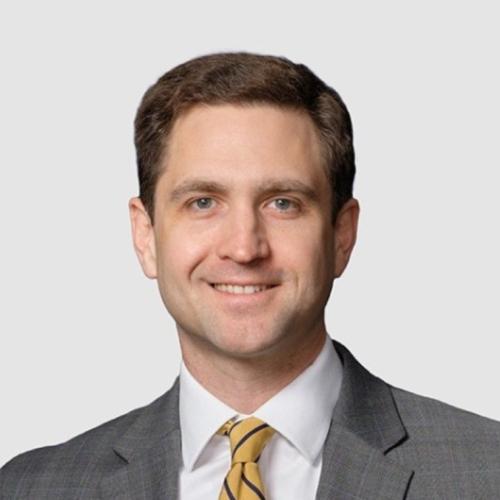
Clint Morrison
PartnerPatterson Belknap Webb & Tyler LLPClint Morrison is a Partner at Patterson Belknap, a New York-based firm that represents clients all over the country. A commercial litigator and trial lawyer, Mr. Morrison has extensive trial experience in federal and state courts throughout the country. He represents established Fortune 100 companies, high-tech startups, and clients in between those growth stages on their material commercial disputes and intellectual property matters. Mr. Morrison principally litigates cases involving trade secrets and intellectual property, contractual and business disputes, and advertising matters.
Mr. Morrison is ranked by Chambers USA in Litigation: General Commercial – New York and serves as Co-Chair of the Subcommittee on Liabilities and Remedies Related to the Use of Artificial Intelligence at the New York City Bar Association’s Presidential Task Force on Artificial Intelligence and Digital Technologies.
Mr. Morrison received his J.D., magna cum laude, from Harvard Law School and B.A., magna cum laude, Phi Beta Kappa, from Georgetown University.
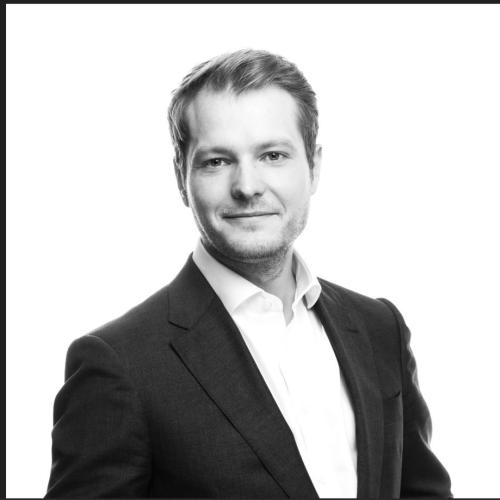
Carl Alexander Dinges
PartnerBonabry
Eda Stark
Global IP Transactions & Litigation Managing CounselOlympus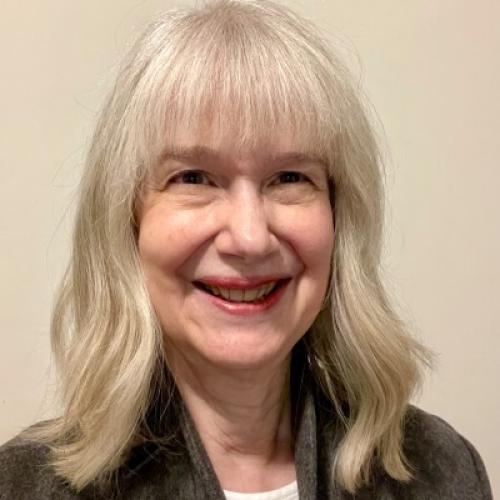
Victoria Cundiff
Adjunct ProfessorUniversity of Pennsylvania Carey Law SchoolTime:10:15am – 11:00amAgenda Track No.:Track 1Session Type:General Session (Presentation)Force Inline Description:011:00am - 11:30amNetworking BreakFireside: Arbitration, Federal Court, or Criminal Referral: Choosing The Right Response to Trade Secret Theft
When trade secrets are misappropriated, companies face an early decision that can define the entire outcome of a dispute: whether to pursue civil litigation, seek arbitration, or involve the Department of Justice. This fireside session is led by a senior DOJ official and focuses on how these decisions are made in practice, including what the DOJ looks for when assessing potential trade secret cases and how those considerations should shape in-house strategy from day one.
- How DOJ evaluates trade secret theft referrals, including evidence quality, victim cooperation, and jurisdictional factors.
- When arbitration or civil litigation may be more effective than criminal referral.
- Cost, disclosure, and control trade-offs across arbitration, court proceedings, and DOJ involvement.
- How early choices affect leverage, timing, and the ability to pursue parallel proceedings.
Speaker(s):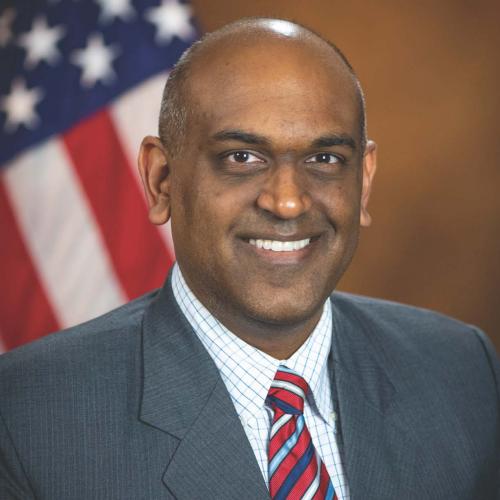
Anand Patel
Senior CounselDOJ (Department of Justice)Anand B. Patel is Senior Counsel in the Computer Crime and Intellectual Property Section at the Department of Justice. He investigates and prosecutes trade secrets theft, ransomware attacks, and computer intrusions. Mr. Patel teaches Trade Secrets Law at the George Washington University Law School. Before joining the Department, Mr. Patel spent a decade as an attorney at Paul Hastings LLP, where he handled all facets of disputes involving trade secrets. He previously served as law clerk to the Honorable William Bryson of the U.S. Court of Appeals for the Federal Circuit. Mr. Patel graduated from UVA School of Law and MIT.
Time:11:30am – 12:00pmAgenda Track No.:Track 1Session Type:General Session (Presentation)Force Inline Description:0Expanding Trade Secret Portfolios: Protection Across the Business
Trade secrets now sit far beyond R&D and the legal team. They run through data systems, manufacturing processes, vendor relationships, AI tools, and everyday employee workflows. As a result, effective trade secret protection increasingly depends on coordination between legal, HR, IT, security, engineering, and operations. This session focuses on how companies are adapting their internal structures to protect trade secrets as they spread across the organisation.
- Why trade secrets are no longer confined to technical teams or formal IP portfolios.
- How data systems, collaboration tools, and AI are expanding where trade secrets live.
- The role of HR, IT, security, and operations in supporting trade secret protection.
- Practical examples of cross-functional models that improve protection without slowing the business.
Speaker(s):
Greg Penoyer
Assistant General CounselHyper
Michelle Brody
Head of Intellectual PropertyInternational Federation of Accountants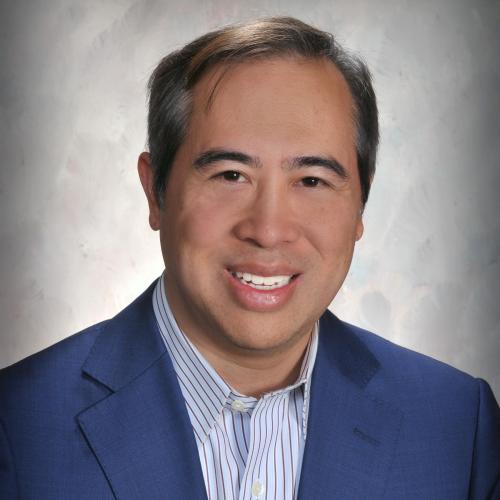
Philip Soo
Assistant Chief IP Counsel3M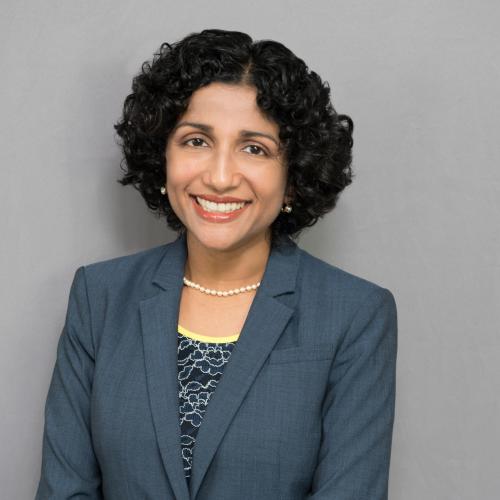
Vidya Mirmira
Partner and Co-Chair of Unfair Competition, Trade Secrets & Restrictive Covenants Practice GroupWilliams & ConnollyTime:12:00pm – 12:45pmAgenda Track No.:Track 1Session Type:General Session (Presentation)Force Inline Description:012:45pm - 13:45pmNetworking LunchHow Does Trade Secret Litigation Impact U.S. Companies Beyond the Courtroom?
Beyond legal risk, trade secret disputes can result in catastrophic knock-on effects throughout a business: they can disrupt operations, drain technical teams, and affect investor confidence for years. This fireside chat looks at how in-house teams manage trade secret litigation when the stakes extend far beyond the courtroom.
- How litigation strategy changes when trade secret disputes become ‘bet-the-business’ matters.
- Managing discovery scope, technical witness fatigue, and internal disruption over multi-year disputes.
- Navigating investor relations, disclosure obligations, and activist pressure during ongoing litigation.
- Decision-making around settlement, arbitration, or escalation when business survival is at stake.
Speaker(s):
Rob Rodrigues
PartnerRNA Law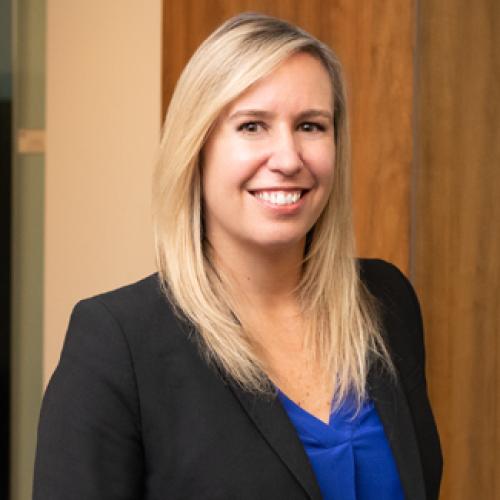
Sheryl Garko
PartnerOrrick, Herrington & Sutcliffe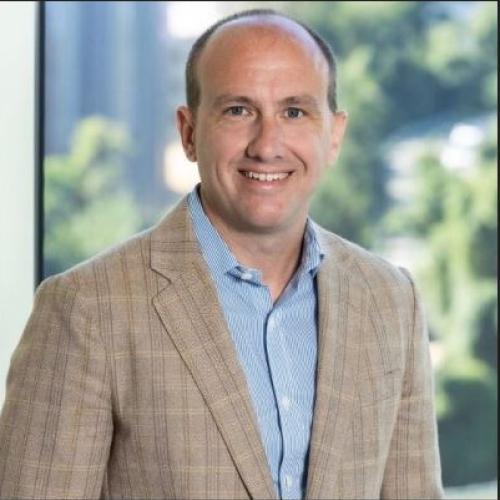
Nicholas Klaiber
Vice President, Senior Associate General CounselCapital OneTime:13:45pm - 14:30pmAgenda Track No.:Track 1Session Type:General Session (Presentation)Force Inline Description:0Strategic Collaborations: Managing Trade Secret Risk Across the Lifecycle of a Deal
Strategic collaborations are increasingly central to innovation, particularly in life sciences and technology, where companies rely on partnerships for research, development, and manufacturing. This session explores the trade secret considerations that arise across the full lifecycle of a collaboration, from early discussions and deal negotiation to active partnerships and potential disputes.
- Trade secret strategy during early deal exploration and negotiating terms that protect the ownership of know-how, confidentiality obligations, and information access.
- Offensive and defensive considerations when collaborations lead to litigation or misappropriation claims.
- Managing trade secrets during active collaborations such as joint R&D, licensing, or manufacturing partnerships.
- Trade secret risks when collaborations fail, including “busted deals,” employee mobility, and disputes over the use of shared know-how.
Speaker(s):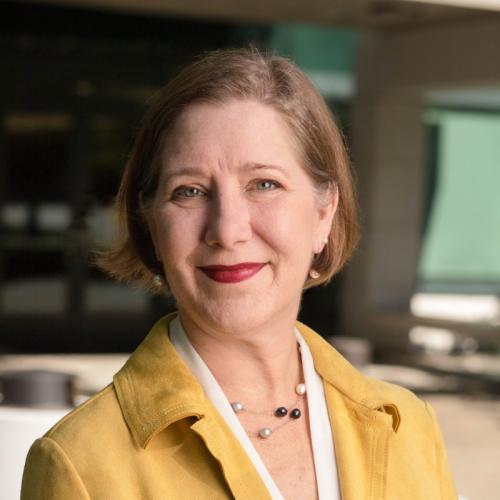
Carole Boelitz
VP, Global IPSchneider Electric
Alexandra Lu
PartnerGoodwin Procter LLP
Chuck Sholtz
Head of IPVerdiva Bio
Diane Fiddle
General CounselQloo
Kyle Vallecillo
Senior IP CounselLG Energy SolutionTime:14:30pm - 15:15pmAgenda Track No.:Track 1Session Type:General Session (Presentation)Force Inline Description:0M&A and Employee Mobility: Avoiding the Loss of Trade Secrets During Acquisitions
Mergers and acquisition bring about profound risk for the loss or theft of proprietary information, with he added complications of uncatalogued trade secrets and departing employees with deep process knowledge only increasing these risks. This session will discuss practical strategies that in-house teams are implementing to mitigate these risks and allow for smooth M&A proceedings.
- Integration of M&A systems to prevent risk during acquisition, and balance restrictive covenants.
- How to mitigate the risk posed by departing employees with deep process knowledge.
- Balancing enforcement with workforce mobility and ensuring that morale and professionality is maintained.
- Strategies for joint development M&A.
Speaker(s):
Lana Gladstein
General CounselSeaport TherapeuticsLana Gladstein currently works as a General Counsel for Seaport Therapeutics. She previously worked at APRINOIA Therapeutics as a Group General Counsel. Lana Gladstein attended Northeastern University School of Law.
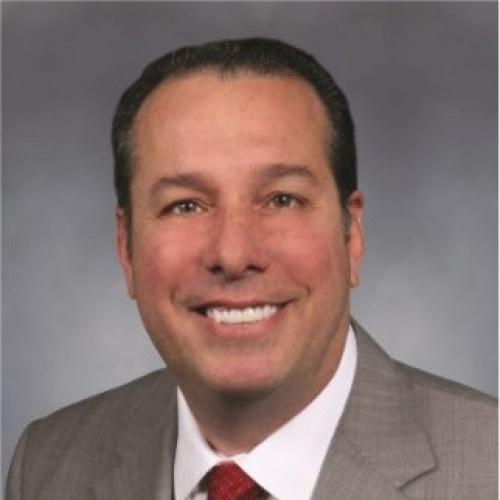
Jim Gale
IP Litigation Co-ChairCozen O'Connor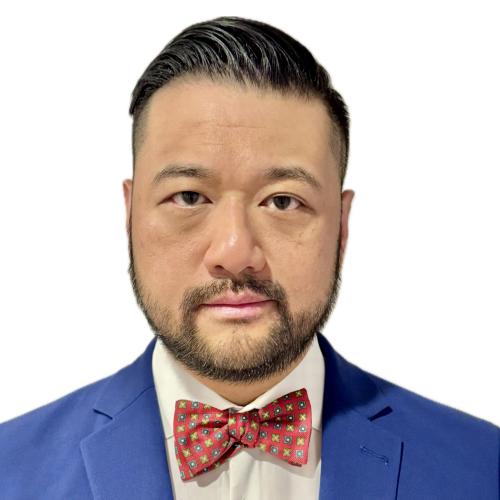
Vincent Lai
Sr Director, Global IP Transactions & Litigation CounselOlympus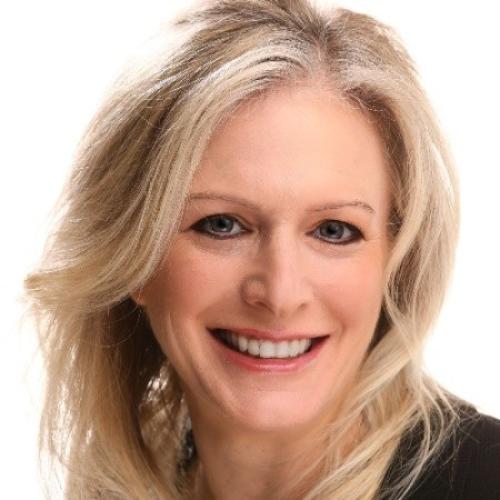
Kim Jessum
Chief IP CounselHeraeusTime:15:15pm - 16:00pmAgenda Track No.:Track 1Session Type:General Session (Presentation)Force Inline Description:016:00pm – 16:30pmNetworking Break16:30pm – 18:05pmRoundtablesBuilding a Litigation-Ready Trade Secret Record Before a Dispute
Trade secret cases are often won or lost on contemporaneous evidence. This roundtable focuses on how companies build defensible records before any misappropriation is suspected.
Speaker(s):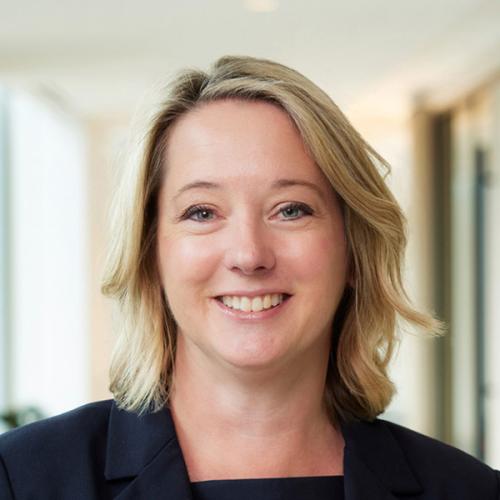
Barbara Fiacco
Partner, Co-Chair, Patent & Trade Secrets Litigation Practice and Intellectual Property DepartmentFoley Hoag LLP
Andrea Merin
Assistant General Counsel - Patents; Team LeaderJ&J MedTechAgenda Track No.:Track 1Session Type:WorkshopForce Inline Description:0Trade Secrets in Distributed Manufacturing & Vendor Ecosystems
As manufacturing, R&D, and services become increasingly outsourced, companies face heightened leakage risk outside their four walls. This roundtable examines how in-house teams protect trade secrets across complex vendor networks.
Agenda Track No.:Track 1Session Type:WorkshopForce Inline Description:0Effective Techniques to Increase Your Likelihood of Obtaining Preliminary Injunctive Relief in Trade Secret cases
Speaker(s):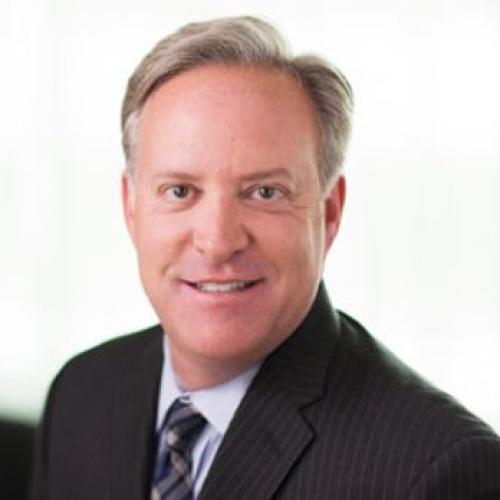
Barry Golob
Co-ChairCozen O’ConnorJim Gale
IP Litigation Co-ChairCozen O'Connor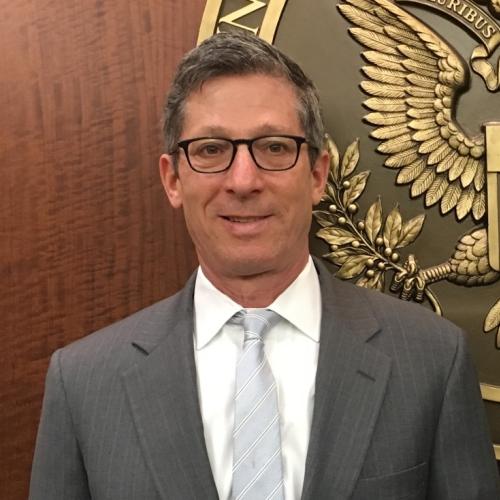
Hon. Mitchell S. Goldberg
Former Chief JudgeUnited States District Court, Eastern District of PennsylvaniaAgenda Track No.:Track 1Session Type:WorkshopForce Inline Description:0Data Loss Prevention in Practice: What Dlp Tools Really Deliver
As demands on trade secret teams grow, relying on integrated IP protection systems, such as DLPs, becomes ever more important. This roundtable focuses on the real-world application of these tools.
Agenda Track No.:Track 1Session Type:WorkshopForce Inline Description:0Trade Secret Law and Enforcement in India: Practical Update for Global Litigation Strategies
India plays a growing role in global R&D, manufacturing, and data processing, yet trade secret protection remains largely contract based. This roundtable provides a practical, enforcement-focused update for multinational legal teams.
Agenda Track No.:Track 1Session Type:WorkshopForce Inline Description:0Cataloguing Review: To List or Not to List, or is There a Third Option?
The dilemma of whether to list trade secrets continues, with the challenge of balancing litigation readiness with operational burden increasing. This roundtable provides a pragmatic discussion of when to list, when not to, and when a hybrid model may be most effective.
Speaker(s):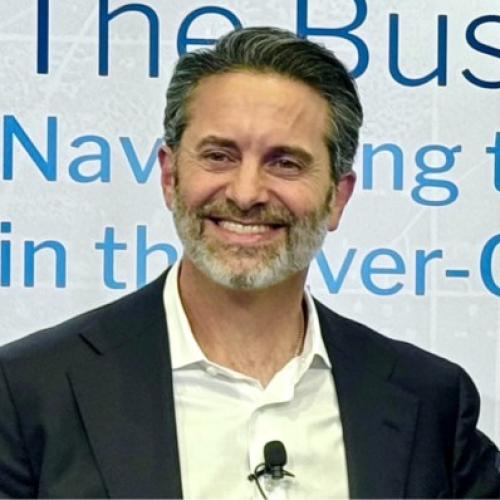
Jordan D. Grotzinger
ShareholderGreenberg Traurig, LLP
David Soucy
Sr. IP Counsel, Global Lead Patent CounselSimpliSafeDavid Soucy is Sr. IP Counsel and Global Lead Patent Counsel at SimpliSafe. David is an accomplished attorney with several years of experience handling a variety of technology and intellectual property law matters. Throughout his career, he has been dedicated to driving innovation, protecting intangible property, and supporting business growth through strategic management of IP assets.
Having held various roles in both late startups and mature operating companies, David has honed his expertise in patent prosecution, litigation, and client counseling. His professional journey has taken him from overhauling submarines as an engineer with the Department of the Navy to representing Fortune 100 clients in private practice to now serving as a Lead Global Patent Counsel where he develops and implements corporate IP strategies.
Before joining SimpliSafe, David influenced and drove IP strategies at a Fortune 1000 publicly traded technology company. There, he managed an extensive worldwide patent portfolio and streamlined IP management systems to enhance efficiency and augment protections. Due in part to his efforts, the company was recognized by the Intellectual Property Owners Association as one of the top 300 companies for granted U.S. patents.
David holds a Juris Doctorate from the University of New Hampshire Franklin Pierce School of Law and a Bachelor of Science in Mechanical Engineering from the University of New Hampshire. He is admitted to the State Bar of New Hampshire and licensed to practice before the United States Patent and Trademark Office.
Agenda Track No.:Track 1Session Type:WorkshopForce Inline Description:0Trade Secret Misappropriation and Section 337 at the ITC: A Strategic Enforcement Tool for Cross Border Disputes
This roundtable will explore how Section 337 investigations before the ITC can provide a powerful tool for addressing cross-border trade secret theft, including key jurisdictional considerations, available remedies, and strategic advantages compared to district court litigation.
Speaker(s):
Omar Khan
PartnerWilmerHale
Sarah Frazier
PartnerWilmerHaleAgenda Track No.:Track 1Session Type:General Session (Presentation)Force Inline Description:018:05pm – 18:10pmChair Closes Day 118:15pm – 19:15pmNetworking Drinks -
Day 2: Tuesday, 15 Sep, 20268:00am – 9:00amRegistration08:15am – 09:00am
Breakfast Workshop: AI Strategy: Practical Uses of AI For IP Teams
This session will explore how to use AI tools to increase productivity, whilst mitigating any risks that may arise. Leading litigators and in-house counsels will explore how in-house teams are implementing AI tools to increase productivity and streamline processes, including the use of internal LLMs, e-discovery tools, patent drafting and trade secret cataloguing tools.
Speaker(s):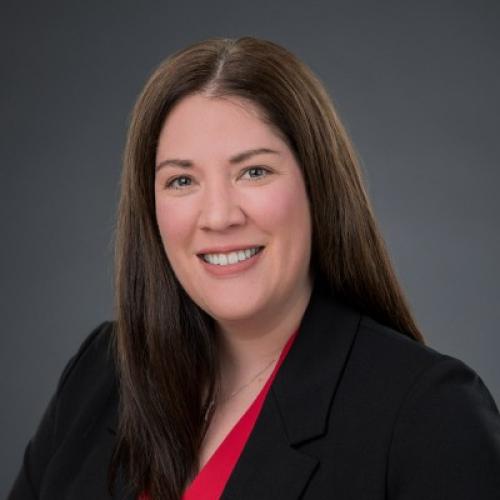
Catherine Pray
Senior DirectorIntrepidXSession Type:WorkshopForce Inline Description:009:00am - 09:10amChair’s Recap of Day 1 and Welcome to Trade Secret Legal Protection Day 2Judge’s Review: What Courts are Accepting and What They’re Pushing Back On
A concise review of recent US trade secret decisions that are shaping how courts assess reasonable measures, access, and remedies. This session brings together judges from key US jurisdictions to discuss the evolving expectations and outcomes from the most influential recent trade secret cases.
Speaker(s):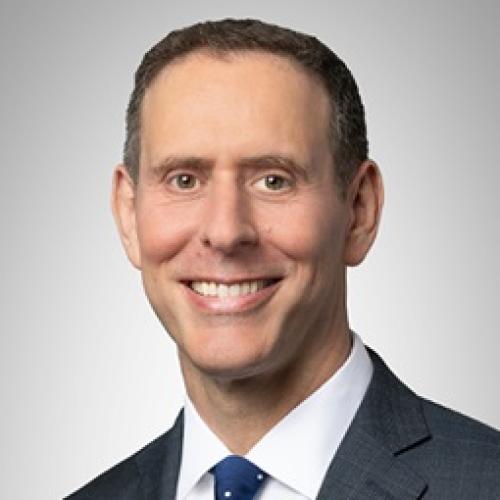
Adam Gershenson
PartnerWeil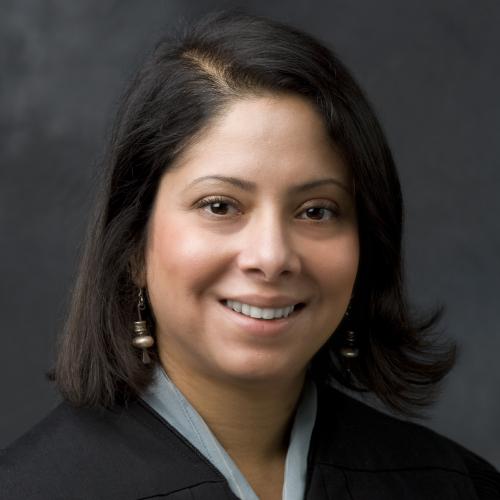
Cathy Bissoon
Honorable JudgeU.S. District Court, Western District Of Pennsylvania
Christopher K. Barry-Smith
Honorable JudgeState of Massachusetts Superior Court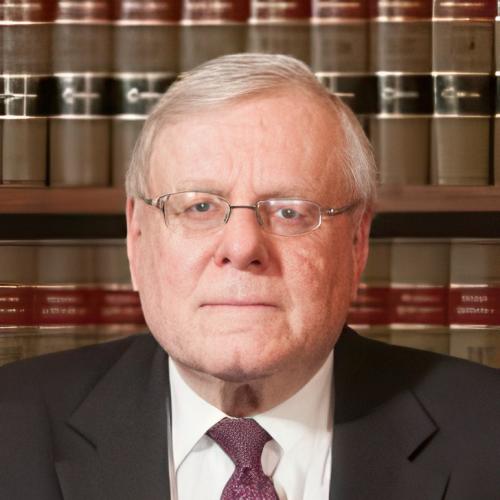
William Young
Honorable JudgeU.S. District Court, District of Massachusetts
MaryJoan McNamara
Administrative Law JudgeUS ITCTime:09:05am - 10:00amAgenda Track No.:Track 1Session Type:PanelForce Inline Description:0Trade Secrets in the Age of AI: How Generative and Agentic Systems are Changing Insider Risk
Artificial intelligence is transforming the trade secret threat landscape. As companies deploy internal AI tools, enterprise search, co-pilots, and agentic systems, the risks posed are increasingly subtle, scalable, and harder-to-detect. Employees can extract and synthesise sensitive information without direct access to underlying repositories, and at a speed and scale that outpaces many legacy legal technical and compliance controls. This session will examine the risks posed by internal use of artificial intelligence, consider how AI is changing the mechanics of trade secret misappropriation, and question how legal, technical, and governance frameworks must evolve in response.
- Examine how AI changes the mechanics of trade secret misappropriation, internal access, intent monitoring and proof.
- Explore how agentic AI may enable the collection summarisation and external extra-filtration of sensitive information.
- Address the growing tension between productivity and protection - how can companies embrace AI tools without unintentionally creating a machine assisted insider threat environment?
- Discuss emerging legal, technical, investigative and governance challenges, such as: When does an AI query constitute misappropriation? How should practitioners design reasonable measures, considering the risks posed by internal AI use?
Speaker(s):
Erik Laykin
CEO and Managing PartnerGlobal Data Risk LLCErik Laykin is the CEO and Managing Partner of Global Data Risk LLC. He manages complex investigations and disputes in a variety of industries including financial services, technology and international trade on behalf of litigants, corporations and government agencies. Mr. Laykin serves as an expert witness, investigator, Special Master, and Independent Neutral in cases involving intellectual property, cyber crime, information technology failures, geopolitical risk, financial services risk, valuations, eDiscovery, corporate espionage and other complex disputes which arise from the usage of digital data, computers, software, networks and the Internet.
Mr. Laykin has been recognized as one of the world’s leading authorities on Trade Secret theft and investigations and has had over 100 expert witness appointments.
Joseph D'Angelo
Head of IP LitigationAnalog DevicesJoseph D’Angelo is a results driven legal partner with more than 15 years of corporate legal department experience at Fortune 500 companies. Extensive experience assisting businesses with intellectual property, litigation, technology licensing, complex negotiations, mergers and acquisitions, commercial law, and supplier matters.

Brett Pinkus
PartnerSpencer Fane LLP
Ksenia Takhistova
Chief Legal OfficerLCM Biosensor TechnologiesTime:10:00am - 10:45amAgenda Track No.:Track 1Session Type:PanelForce Inline Description:010:45am - 11:15amNetworking BreakThe Convergence of Intellectual Property: When to Patent and When to Keep it a Trade Secret
In light of recent changes in PTAB practice under new USPTO Director John A. Squires, in-house teams are reassessing disclosure risk, IPR exposure, and long-term enforceability, particularly for manufacturing processes, algorithms, and data-driven know-how. This session focuses on how companies are making these calls in practice, and how patent strategy is directly shaping trade secret risk in later disputes.
- How PTAB institution trends, discretionary denial, and parallel-proceeding strategy are influencing decisions to rely more heavily on trade secrets.
- Where patent specifications, prosecution history, and expert positions have later been used to argue that information was disclosed and no longer secret.
- Managing the risk of over-disclosure in patent filings while preserving meaningful trade secret protection.
- When companies deliberately shift from patenting to trade secret protection over a product’s lifecycle, and what triggers that shift.
Speaker(s):
Erica LoRe
Senior Director, Intellectual Property CounselInvivyd
Damon Gupta
Senior Patent CounselGenentechDamon Gupta is a Director, Patent Counsel at Spark Therapeutics, Inc., a leader in gene therapy and member of the Roche Group. With over a decade of experience in intellectual property (IP) law and a background in molecular biology, Damon advises biotechnology and pharmaceutical companies on patent strategy, IP transactions, and risk mitigation. At Spark, Damon leads efforts to protect proprietary assets, including trade secrets, manage IP disputes, and provides IP support to cross-functional teams, including R&D, manufacturing, and corporate transactions. Damon holds a J.D. from Chicago-Kent College of Law, an M.S. from Baylor College of Medicine, and a B.S. from The Ohio State University.
Julie Lappin
Senior IP CounselNestleJulie is a Senior IP Counsel at Nestlé S.A. She has worked for multiple business units in her 14+ year career with Nestlé, including Coffee, Nestlé Health Science, and PetCare. Julie significantly contributed to developing and deploying Nestlé's trade secret protection program. Before joining Nestle, she was a Corporate Patent Counsel at Pfizer Inc.

Gregory Bombard
ShareholderGreenberg Traurig, LLPTime:11:15am – 12:00pmAgenda Track No.:Track 1Session Type:TrackForce Inline Description:0Presentation: Recent U.S. Trade Secret Decisions - Reasonable or Not?
Join this session for a review of recent trade secret cases and outcomes across key jurisdictions in the US and further afield; examine how reasonable measure standards have evolved, and what courts are now accepting.
Speaker(s):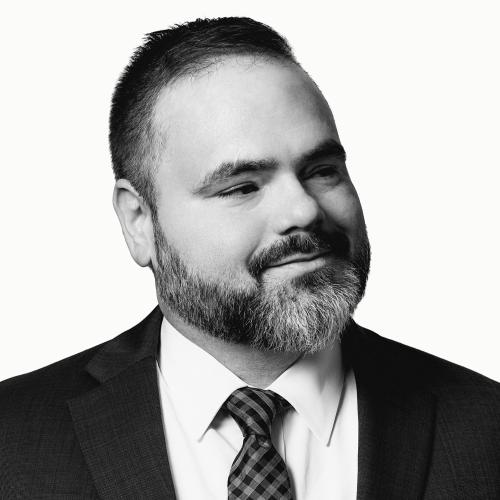
William Logan
PartnerWinston TaylorTime:12:00pm - 12:25pmAgenda Track No.:Track 1Session Type:TrackForce Inline Description:0Presentation: Trade Secret Damages Analysis
Speaker(s):
Christopher DeBaere CFA
PrincipalArchway Research Group LLCTime:12:25pm - 12:45pmAgenda Track No.:Track 1Session Type:TrackForce Inline Description:013:05pm - 14:05pmConference End & Networking Lunch
Jump to: Monday, 14 Sep | Tuesday, 15 Sep