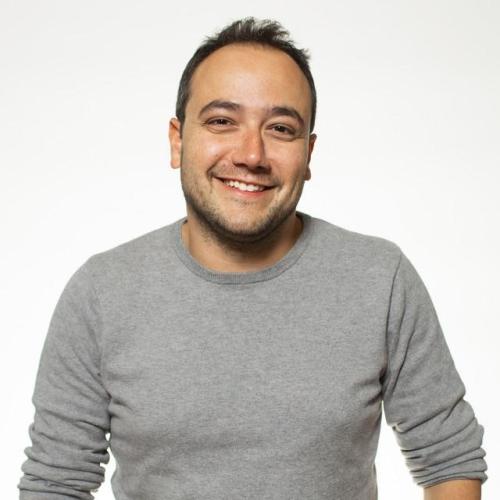

Andrej Michalik

Koen Vanhalst


In an increasingly complex global enforcement environment, the interaction between patent office proceedings and patent litigation has taken on new strategic significance. This two-part session explores how decisions in front of the EPO and USPTO impact litigation outcomes and timing, with a focus on high-stakes technology cases.
Part 1: The EPO, the UPC, and the Changing Dynamic of Parallel Proceedings
Part 2: PTAB Discretionary Denials and Their Impact on U.S. Tech Patent Litigation

As the UPC establishes its position in the European IP landscape, the tension between national courts and the UPC is growing more pronounced. From Germany’s increasingly patentee-friendly stance to the emerging strategic importance of UPC first-instance decisions, this session unpacks the evolving dynamics shaping venue selection. With leading jurisdictions competing for relevance and consistency, legal teams must carefully weigh litigation strategies, timelines, and judge behaviour across venues. This session explores what’s driving decision-making in general technology patent litigation cases, FRAND and SEP disputes, and how industry stakeholders are navigating a fragmented, fast-moving litigation environment.
• Compare litigation strategy and outcomes between the UPC and key national courts, including Germany and the UK.
• Assess how judicial behaviour, timing, and appeal prospects are influencing venue selection in high-stakes tech disputes.
• Understand the impact of important case law at the UPC, including Panasonic vs Oppo (2024) and determine your strategy accordingly.


Is there a technology emerging more conspicuously than AI? Probably not. With this in mind, this session explores how AI and other innovations like 5G and HEVC are reshaping patent litigation worldwide. Understand the evolving challenges these technologies present, how patent enforcement strategies are adapting, and the legal frameworks, including the EU AI Act and DSM Directive, influencing IP management today.
• Explore how emerging technologies such as AI, 5G, and HEVC are influencing global patent enforcement and FRAND disputes.
• Discuss the intersection of AI development, patent creation, and prosecution, including implications of the EU AI Act and DSM Directive on IP strategy.
• Understand why patent litigation remains the IP function’s primary focus amid AI’s rise, and the evolving landscape of trade secrets, copyright, and trademarks.
Join Ian Buck, VP of HPC and Hyperscale at NVIDIA to hear about the latest innovations in AI infrastructure. AI is being adopted by every industry and new state-of-the-art techniques are accelerating performance to keep pace with unprecedented demand. Ian will walk through the latest trends and how the infrastructure ecosystem can maximize efficiency at every level of the stack.

Navigating intellectual property disputes requires strategic decisions on the most effective resolution paths. This session explores the full range of options available to tech companies—from mediation and arbitration to licensing, opposition, and litigation. Gain insight into when each tool is best suited, how to manage IP portfolios proactively, support innovation teams, and balance the operational and financial impact of disputes on your business.
• Explore the expanding role of mediation and arbitration as faster, cost-effective alternatives to traditional litigation in various IP disputes.
• Understand the potential impact of the new UPC Mediation and Arbitration Centre in Ljubljana, and how it may change dispute resolution for European patent holders and implementers.
• Understand how strategic licensing and portfolio management can help avoid costly conflicts and support innovation.
• Discuss when to escalate matters through opposition proceedings or litigation and how to prepare for large scale enforcement campaigns globally.
Competition authorities are playing an increasingly influential role in shaping SEP and FRAND disputes worldwide. This session examines how regulators—from the European Commission to antitrust bodies in Brazil, India, and the US— are impacting injunction enforcement, licensing conduct, and broader litigation strategies. Panellists will discuss the political and consumer protection pressures driving authority interventions and how these forces interact with ongoing court cases and regulatory reforms.
• Analyse how competition authorities in Europe, Brazil, India, and the US influence injunction policies and SEP licensing practices.
• Discuss key investigations and decisions, including the European Commission’s amicus briefs and Brazilian antitrust probes into preliminary injunctions.
• Understand the evolving intersection of antitrust enforcement with SEP litigation and how it affects parties’ negotiation and enforcement strategies.


Is there a technology emerging more conspicuously than AI? Probably not. This session explores how AI is impacting patenting and patent litigation considerations worldwide. Understand the evolving challenges these technologies present, how patent enforcement strategies are adapting, and the legal frameworks, including the EU AI Act and DSM Directive, influencing IP management today.


Mark Hayter, Chief Strategy Officer and co-founder of Rivos Inc., brings a wealth of experience in tech innovation. He previously spent 11 years at Google as Senior Engineering Director in the Chrome OS Hardware team, where he spearheaded the development of new technologies for Chromebooks and collaborated with OEMs to bring them to market.
Mark’s extensive career also includes leadership roles at prominent semiconductor companies, including VP of Systems Engineering at P.A. Semi Inc. (acquired by Apple Inc.), Senior Manager of Hardware Systems Engineering at Broadcom Corporation, and System Architect at SiByte, Inc. His impressive background also features time at the Digital Equipment Corporation Systems Research Center and a PhD from the University of Cambridge Computer Laboratory.