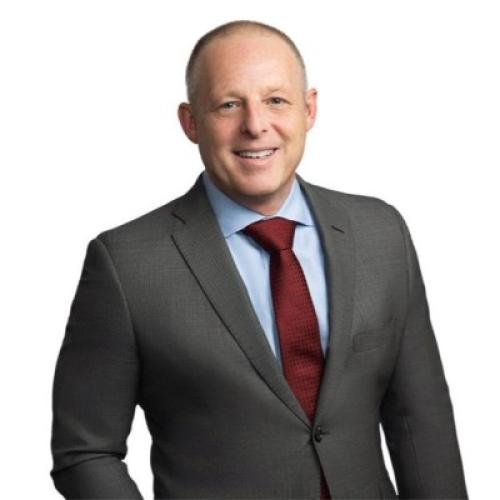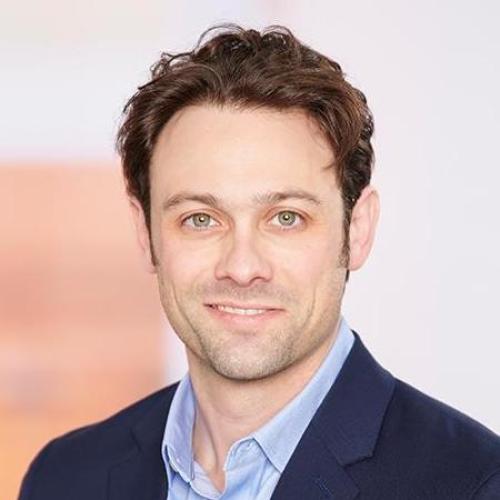
Dan Sternberg
IP Counsel
Bose Corporaration

Nirav Desai
Partner
Sterne Kessler
With US courts continuing to refine the scope of § 271(e)(1) and the European Pharma Package proposing to extend and reshape Bolar exemptions across member states, this session examines the latest litigation and regulatory developments shaping how life sciences companies structure pre-approval activity on both sides of the Atlantic.
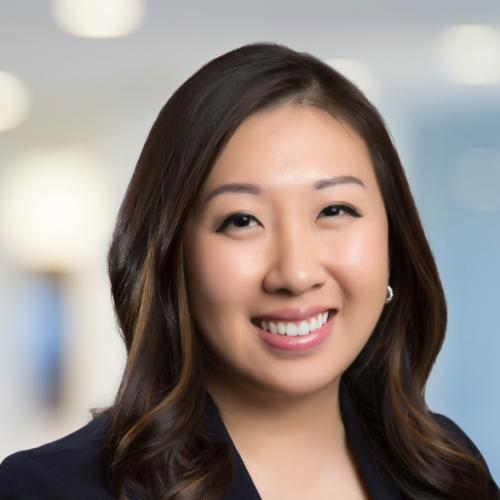
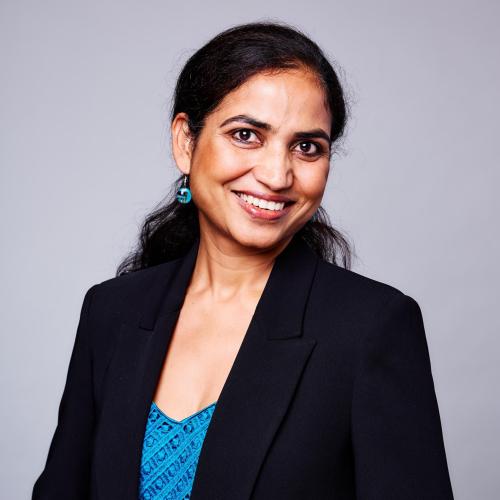
Sophie Wang is a Partner in Litigation and is Co-Head of the IP Litigation practice. She is a first-chair trial lawyer who represents biotech, pharmaceutical, and technology companies in complex and high stakes intellectual property and commercial disputes across the country. Sophie is a go-to resource for clients in the life sciences industry, including for “bet-the-company” patent litigation (including Hatch-Waxman and biosimilar litigation), post-grant review (PGR) and inter partes review (IPR) proceedings before the United States Patent Trial and Appeal Board (PTAB), trade secrets litigation, and contract, licensing, and other commercial disputes. She also routinely advises clients on the management of their US and global patent and litigation strategies, including regularly consulting with counsel before the EPO and in the UK, Germany, and other foreign jurisdictions.
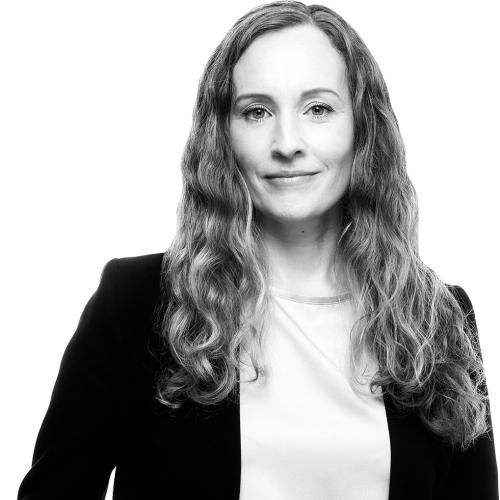
Dr. Sarah Salaschek is attorney at law and patent litigator, working in the Hamburg office of Bonabry. She mainly advises clients in the pharmaceutical industry and represents them before German courts as well as before the Unified Patent Court. Her practice covers all questions of intellectual property law with a particular focus on pharma patents, SPCs and related regulatory issues.
Damages remain a key driver of uncertainty in tech patent disputes. This debate explores practical ways damages analysis is evolving and where targeted reforms could improve predictability and settlement outcomes.
Combination drug products pose unique challenges across jurisdictions when seeking approval, patent protection, patent listing, and enforcement. These risks arise as formulation, dosing, or regulatory classification diverge from single-entity assumptions. A panel of in-house counsel and experienced litigators will examine how these issues play out in practice, strategies for protecting exclusivity, and managing biosimilar or generic challenges.

SEP disputes continue to shape the US tech patent landscape, dominated by discussions over fair rate settings and royalty negotiations. Disputes often focus on whether parties will take a licence and on what terms, with litigation being used to apply pressure, test valuation positions, and move stalled negotiations forward. In this session, we will cover how these disputes are playing out and how companies are using litigation to shape outcomes.


Biologics litigation is evolving beyond classic biosimilar disputes, driven by higher-value products, an uptake in branded-vs-branded disputes, and growing injunction risk. This session brings together leading litigators and in-house counsel to examine how strategy is changing.

Stan Fisher is a first-chair trial lawyer and counselor who focuses his practice primarily on issues that affect technology companies. Stan has tried numerous cases involving patent, FDA, and antitrust issues, as well as matters involving contracts, licensing, and business torts.
Stan has been consistently ranked as an “IP Star” by Managing Intellectual Property (2021-2024); and LMG Life Sciences Guide recognized him as a “Leading Life Science Star” since 2021. In 2022, LMG Life Sciences identified Stan among the finalists for the “General Patent Litigator of the Year (DC Metro)” award, and in 2023, he was a recognized as a finalist for “Hatch-Waxman Litigator of the Year (Branded)." IAM Patent 1000 has highlighted Stan as a “Leading Patent Litigation Attorney” in its guide since 2020. The 2020 publication noted Stan has “broad horizons as a trial lawyer and litigates with confidence and poise in diverse technical fields, across all areas of intellectual property and in regulatory, antitrust and contract disputes” and the 2022 edition emphasizes Stan’s standing as a “leading trial lawyer.” Both in September 2022 and May 2021, The American Lawyer recognized Stan as a “Litigator of the Week Runner Up” for successfully representing Merck in a major trial victory and IPR proceedings, respectively, concerning patents covering the blockbuster sitagliptin products: Januvia, Janumet, and Janumet XR.
In addition to Stan’s patent practice, he serves as Co-Chair of the firm’s Food and Drug Administration practice group. In this space, he focuses specifically on the intersection of FDA law, patent law, and antitrust law, advises on issues with the Orange Book, regulatory exclusivities, and other issues that are adjunct to pharmaceutical and biotech patent litigation. Stan’s experience litigating matters involving the FDA has been highlighted by IAM Patent 1000 with the publication describing Stan as a “top” FDA lawyer. The 2021 edition highlighted Stan's "vast biopharmaceutical experience” and explained that he “makes full use of his finely honed advocacy skills and intuitive understanding of Food and Drug Administration regulatory requirements and antitrust law." He also has an active practice litigating trade secrets, trademarks, and copyrights.
Stan serves as Professorial Lecturer in Law at The George Washington University Law School, where he teaches Chemical & Biotech Patent Law, a course Stan recently re-designed to focus on patent, regulatory, and antitrust issues arising in Hatch-Waxman, BPCIA, and other pharmaceutical and biotechnology patent matters.
Stan received his B.S. in Molecular Biophysics & Biochemistry from Yale College in 1997 and his J.D. from The George Washington University Law School in 2004, where he graduated with Highest Honors and served as Editor-in-Chief of The George Washington Law Review. He joined Williams & Connolly in March 2006 after clerking for Judge Richard Linn at the U.S. Court of Appeals for the Federal Circuit. Stan is a current member of the firm's Budget Committee and former member of the Hiring Committee. Stan is a Past President of the Giles S. Rich American Inn of Court, the Intellectual Property Inn of Court in Washington, D.C. generally affiliated with the U.S. Court of Appeals for the Federal Circuit.

As PTAB challenges have become harder to initiate and sustain, this session considers when and how this could be used for plaintiffs and defendants. In sectors like MedTech, where device manufacturing, component supply chains, and the importation of medical technologies are central to disputes, the ITC can present a particularly strategic forum. This session examines when Section 337 investigations offer real strategic advantage, and when their speed and remedies create more risk than value.