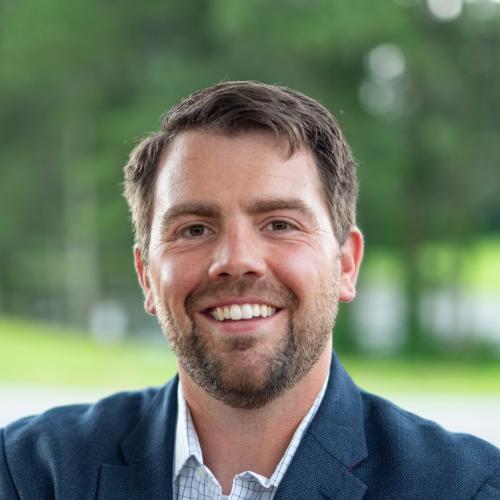

Abhay Nayak
Executive Vice President and President, U.S. Commercial Operations
Zoetis
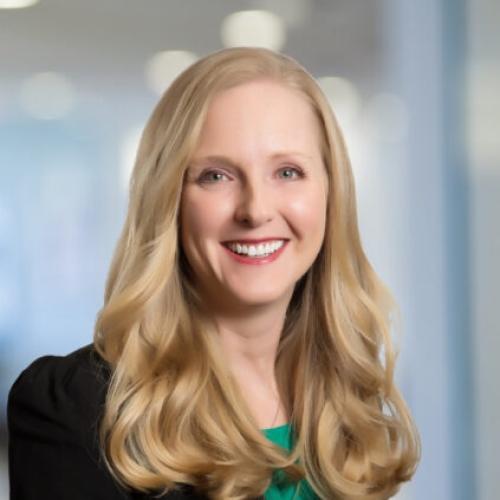

Anthony Shimkin, Chief Executive Officer: More than 25 years in medical technology, life sciences, and health information technology. Former Chief Executive Officer and President of AVACEN Medical, with senior roles at Cardinal Health, Quidel, and Qualcomm, and earlier as head of healthcare equity research at Wedbush. He holds a Master of Science in Executive Leadership from the University of San Diego, a Master of Business Administration from Boston University School of Management, a Master of Arts in Medical Sciences from Boston University School of Medicine, and a BA in Psychology from Boston University.
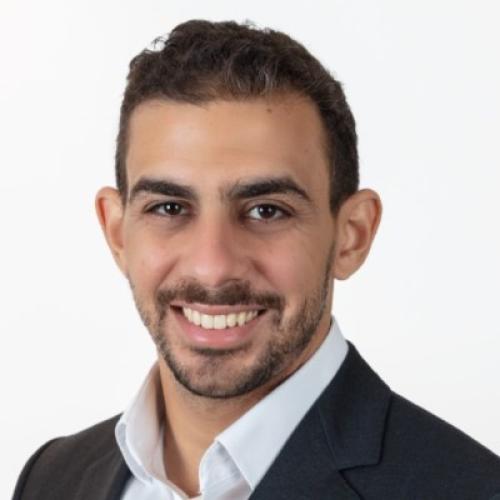


Marla Ludacka-Dragovich is Vice President of Payment Integrity Operations at Claritev, where she leads Payment & Revenue Integrity Services both Pre- and Post-Payment. Her leadership spans Advanced Code Editing, Itemized Bill Review, DRG Validation, Specialty Services, Coordination of Benefits, Data Mining, End Stage Renal Disease, and Medicare Secondary Payer programs. She also supports Clinical Negotiations and drives innovation across manual code editing, analytics, and product development.
With more than 25 years of healthcare experience, primarily within the Blue Cross and Blue Shield system, Marla brings deep expertise in network operations and payment integrity. She is passionate about advancing innovative solutions, improving operational performance, and delivering meaningful value across the healthcare ecosystem. Marla holds a Bachelor of Science in Finance and Economics from Elmhurst University.
Outside of work, Marla enjoys boating, golfing, biking, hiking, tennis, pickleball, and reading, and is the proud mother of two sons.